




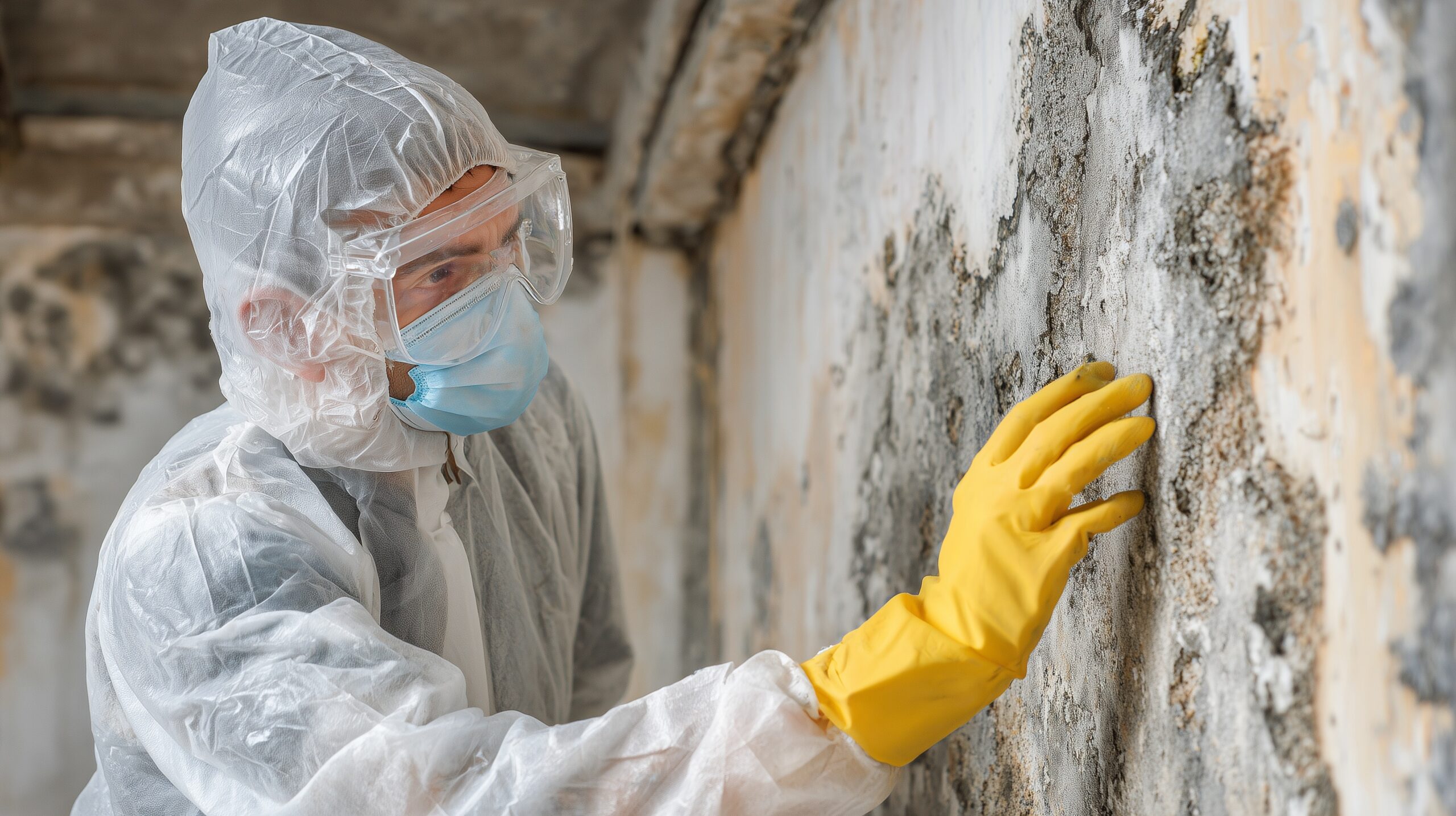
Crawl space problems often go unnoticed until they become serious. Because these areas are hidden beneath the home, moisture buildup and mold growth can develop quietly over time. Understanding crawl space mold remediation is essential for preventing structural damage, improving indoor air quality, and avoiding expensive repairs later.
Triangle Radiant Barrier is one of the service providers that focuses on crawl space moisture and insulation-related issues, helping homeowners understand the root causes behind mold growth. You can explore more about their services through the crawl space mold remediation page.
This guide explains everything homeowners need to know about crawl space mold, including causes, risks, remediation steps, and prevention strategies.
Why Crawl Spaces Are Highly Prone to Mold Growth
Crawl spaces are one of the most vulnerable parts of a home because they combine several conditions that encourage mold growth. These areas are typically dark, humid, and poorly sealed, which allows moisture to remain trapped for long periods. When organic materials like wood and insulation are exposed to this moisture, mold begins to grow and spread.
Unlike other parts of the home, crawl spaces are in direct contact with soil, which naturally releases moisture. This makes them constantly exposed to damp conditions. When temperatures fluctuate, condensation forms on surfaces, further increasing the risk of mold development. Without proper intervention, mold removal crawl space problems can quickly escalate into structural damage.
In many cases, homeowners are unaware of the issue until musty odors or indoor air quality changes become noticeable inside the home.
Causes of Crawl Space Mold Problems
Mold growth in crawl spaces does not happen randomly. It is usually the result of multiple contributing factors that work together to create a damp environment. Understanding these causes is the first step in effective crawl space mold remediation.
Excess Moisture from Ground and Air
One of the primary causes is moisture rising from the ground. Soil naturally contains water, and when there is no vapor barrier, this moisture enters the crawl space. Additionally, humid outdoor air entering through vents can condense on cooler surfaces inside the crawl space.
Plumbing Leaks and Drainage Issues
Even minor plumbing leaks can introduce consistent moisture into the crawl space. Poor drainage around the foundation can also cause water to pool beneath the home, increasing humidity levels significantly.
Poor Ventilation Design
Many older homes were built with open crawl space vents, which were believed to improve airflow. However, in humid climates, this often makes the problem worse by allowing warm, moist air to enter and condense.
Organic Materials Inside the Crawl Space
Wood beams, insulation, and debris provide a food source for mold. When moisture is present, these materials become highly vulnerable to contamination, making mold removal from crawl space a necessary step.
Early Signs You Need Crawl Space Mold Remediation
Detecting mold early can prevent major damage and reduce remediation costs. However, because crawl spaces are hidden, signs often appear elsewhere in the home first.
One of the most common signs is a persistent musty odor that spreads into living areas. This odor usually indicates mold activity beneath the home. Increased humidity indoors, especially during warmer months, can also point to crawl space issues.
Other warning signs include uneven or sagging floors, visible mold stains on wood surfaces, and allergy-like symptoms such as sneezing, coughing, or eye irritation when inside the home.
Homeowners can learn more about these indicators through this resource on signs you need crawl space mold remediation before it’s too late, which helps identify problems before they escalate.
What Crawl Space Mold Remediation Involves
Crawl space mold remediation is a structured process that goes beyond simple cleaning. It involves identifying moisture sources, removing mold growth, and preventing future recurrence.
The goal is not only to eliminate visible mold but also to correct the environmental conditions that allowed it to grow in the first place. Without addressing moisture, mold will eventually return, even after cleaning.
A complete remediation plan ensures the crawl space becomes a controlled environment where mold cannot thrive.
Step-by-Step Crawl Space Mold Remediation Process
A crawl space mold remediation process typically begins with a detailed inspection to identify moisture sources and mold growth. It then involves containment, safe mold removal, deep cleaning, and moisture control to prevent future recurrence.
Step 1 – Inspection and Moisture Assessment
The process begins with a detailed inspection of the crawl space. Professionals evaluate humidity levels, identify water intrusion points, and determine the extent of mold growth. This step is essential because it helps create a targeted remediation plan instead of a general cleanup approach.
Step 2 – Containment of the Affected Area
Once mold is identified, the area is sealed to prevent spores from spreading into other parts of the home. This containment process ensures that mold does not travel through air circulation systems during cleanup.
Step 3 – Mold Removal and Cleaning
The actual mold removal crawl space process begins here. Depending on severity, affected materials are either cleaned or removed. Wood surfaces may be scrubbed and treated, while heavily contaminated insulation is replaced. Specialized cleaning agents are used to eliminate mold spores effectively.
Step 4 – Surface Treatment and Sanitization
After removal, all surfaces are treated with antimicrobial solutions. This step helps eliminate any remaining spores and prevents regrowth. It is an essential part of mold removal in crawl space treatment.
Step 5 – Moisture Control and Prevention
Finally, moisture sources are addressed. This may include installing vapor barriers, improving drainage systems, sealing air leaks, or adding dehumidifiers. Without this step, remediation would not be considered complete.
Crawl Space Mold Removal vs Full Remediation
Many homeowners confuse mold removal with remediation, but they are not the same. Mold removal crawl space services focus mainly on eliminating visible mold. However, this does not solve the underlying problem.
Remediation, on the other hand, includes moisture control, air quality improvement, and long-term prevention. This is why control mold removal alone is often not enough to prevent recurrence.
A proper remediation strategy ensures that mold does not return after treatment.
Crawl Space Mold Remediation Cost Factors
The crawl space mold remediation cost varies widely depending on several conditions. No two homes have the same level of damage or moisture exposure.
Extent of Mold Growth
Light surface mold is less expensive to treat, while widespread contamination requires more labor and materials.
Moisture Source Severity
If water intrusion is ongoing, additional repair work may be needed before remediation can be completed.
Crawl Space Size and Accessibility
Larger crawl spaces or difficult-to-access areas require more time and equipment, increasing overall costs.
Material Damage and Replacement Needs
If wood structures or insulation are damaged, replacement costs will be added to the remediation process.
Because of these variables, homeowners often request a professional evaluation through a free estimate to understand their specific situation.
Health and Structural Risks of Crawl Space Mold
Mold in crawl spaces can affect both the home and the people living in it. One of the biggest concerns is indoor air quality, as air from the crawl space often rises into living areas.
Exposure to mold can lead to respiratory issues, allergic reactions, headaches, and fatigue. Individuals with asthma or weakened immune systems are especially at risk.
Structurally, mold can weaken wooden supports over time, leading to sagging floors or costly repairs. If left untreated, the damage can spread throughout the home.
How to Prevent Crawl Space Mold Growth
Preventing mold is far more effective than dealing with repeated remediation. The first step is moisture control, which includes fixing leaks, improving drainage, and sealing foundation cracks.
Installing a vapor barrier helps reduce ground moisture entering the crawl space. In some cases, encapsulation systems are recommended for better long-term control.
Regular inspections are also important because they help detect early signs of moisture buildup before mold develops.
These preventive steps significantly reduce the need for repeated mold removal crawl space treatments.
When to Call a Professional for Crawl Space Mold Issues
While minor issues may seem manageable, crawl spaces are complex environments. Hidden moisture, limited space, and structural components make professional handling more effective.
Homeowners experiencing persistent humidity, musty odors, or visible mold growth should consider professional evaluation. Services like crawl space mold remediation Raleigh NC are designed to address both surface mold and underlying causes.
Conclusion
Crawl space mold is not just a minor issue; it is a hidden problem that can affect the entire home. Understanding crawl space mold remediation helps homeowners take timely action before the damage spreads further.
The key to effective remediation lies in identifying moisture sources, removing mold properly, and implementing long-term prevention strategies. Without addressing all three, mold is likely to return.
For construction businesses seeking expert help or financial clarity, assistance is available through the contact us page, where job costing systems and construction accounting solutions can be discussed with professional guidance. Reach out to Triangle Radiant Barrier for safe, effective, and long-lasting crawl space mold remediation solutions.
Before/After images not found.