




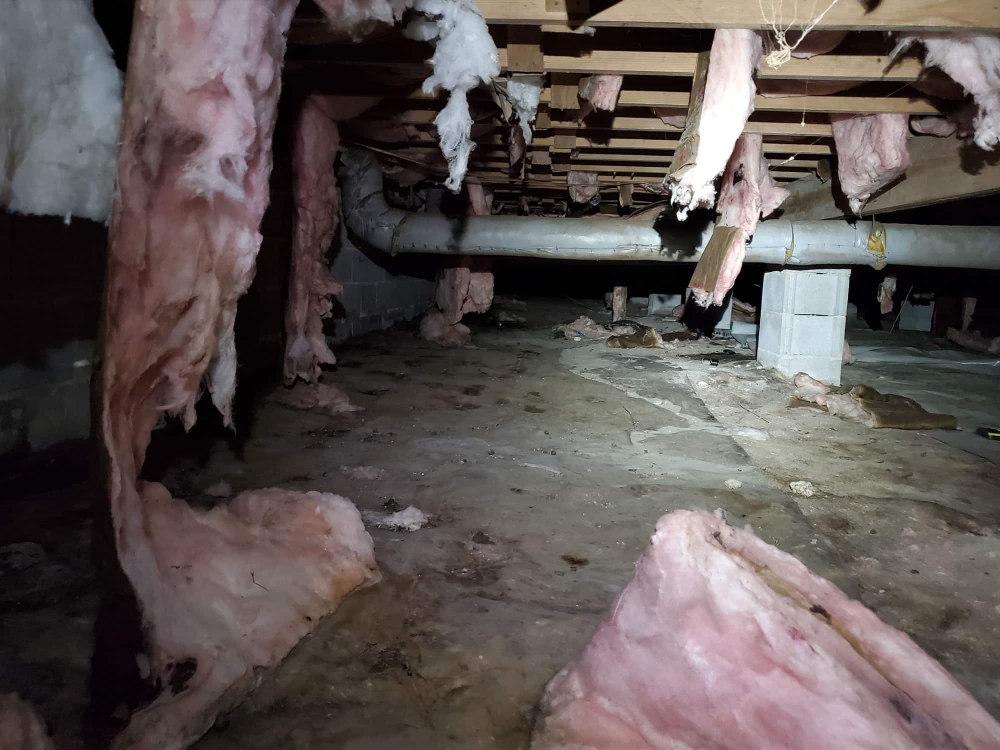
A healthy home starts from the ground up, and one of the most overlooked areas is the crawl space. Moisture, mold growth, poor air circulation, and pest activity in this hidden area can affect indoor air quality, structural integrity, and energy efficiency. This is why many homeowners are now investing in crawl space encapsulation as a long-term solution for healthier living conditions.
At Triangle Radiant Barrier, homeowners can find practical solutions for controlling moisture and improving crawl space conditions. Proper encapsulation can help create a cleaner, drier, and more energy-efficient home environment.
What Is Crawl Space Encapsulation?
Crawl space encapsulation is the process of sealing and protecting the crawl space from moisture intrusion, humidity, and outside air. The process typically involves installing a crawl space vapor barrier, sealing vents and gaps, insulating walls, and adding crawl space dehumidification systems when necessary.
The goal is to create an encapsulated crawl space that remains dry and protected year-round. Unlike traditional vented crawl spaces, encapsulated systems reduce the risk of moisture damage and improve overall indoor comfort.
Homeowners looking for professional crawl space encapsulation Raleigh services often choose encapsulation to address persistent humidity and mold concerns.
Why Crawl Space Moisture Is a Serious Problem
Many homeowners underestimate the impact of moisture beneath their homes. Even small amounts of water or humidity can create long-term problems.
Mold and Mildew Growth
Moist environments encourage mold and mildew growth. Since air from the crawl space can circulate into living areas, poor crawl space conditions may affect indoor air quality.
Structural Damage
Excess moisture can weaken wooden beams, joists, and flooring systems. Over time, this may lead to costly repairs and compromised structural stability.
Increased Energy Costs
Humidity in the crawl space can force HVAC systems to work harder. Encapsulation helps stabilize indoor temperatures and reduce energy consumption.
Pest Infestations
Damp crawl spaces attract insects, rodents, and other pests. Sealing the area helps limit access and reduces the likelihood of infestations.
Signs Your Home Needs Crawl Space Encapsulation
Several warning signs may indicate the need for crawlspace remediation or encapsulation services.
Persistent Musty Odors
A damp crawl space often creates musty odors that spread throughout the home. This smell is usually caused by excess moisture, mold, or mildew buildup.
Sagging or Uneven Floors
Moisture damage can weaken wooden beams and floor supports over time. This may result in floors that feel soft, uneven, or begin to sag.
High Indoor Humidity
Poor moisture control in the crawl space can increase humidity levels inside the home. Excess indoor humidity may also make rooms feel uncomfortable and sticky.
Visible Mold or Condensation
Condensation on pipes or visible mold growth are warning signs of excessive moisture. These issues can negatively affect indoor air quality and structural materials.
Rising Energy Bills
A damp and unsealed crawl space can force HVAC systems to work harder. This often leads to increased heating and cooling costs throughout the year.
If these problems are present, homeowners may benefit from reviewing this step-by-step crawl space encapsulation for Raleigh homes guide.
Components of a Crawl Space Encapsulation System
A complete crawl space encapsulation system includes several important components working together to control moisture and improve air quality.
Crawl Space Vapor Barrier
A crawl space vapor barrier is one of the most critical elements of the encapsulation process. Heavy-duty polyethylene material is installed across the floor and walls to prevent ground moisture from entering the space.
This barrier helps reduce humidity and limits mold growth.
Traditional crawl spaces often include vents that allow outside air to enter. During encapsulation, these vents are sealed to reduce moisture infiltration and improve temperature stability.
Insulation
Insulating crawl space walls can improve energy efficiency and indoor comfort. Proper insulation also helps maintain consistent temperatures throughout the home.
Crawl Space Dehumidification
In areas with high humidity, crawl space dehumidification systems are commonly installed to maintain ideal moisture levels. Dehumidifiers help prevent condensation and create a dry environment year-round.
Drainage Systems
Some homes may require sump pumps or drainage solutions to manage groundwater and prevent flooding.
Benefits of Crawl Space Encapsulation
Encapsulating a crawl space provides several long-term advantages for homeowners.
Improved Indoor Air Quality
Because air naturally rises from the crawl space into the home, reducing moisture and mold beneath the home can improve indoor air quality. Cleaner air can help reduce allergens, musty odors, and respiratory irritation for occupants.
Better Energy Efficiency
An encapsulated crawl space helps reduce heat loss and humidity, making HVAC systems more efficient. This can contribute to more consistent indoor temperatures and lower monthly energy costs.
Protection Against Mold and Rot
Moisture control reduces the likelihood of wood rot, mold growth, and structural damage. Preventing excess dampness also helps extend the lifespan of insulation, flooring, and wooden support structures.
Increased Home Comfort
Encapsulation helps stabilize indoor temperatures and reduce cold floors during winter months. Homes often feel less humid and more comfortable throughout the year after moisture issues are addressed.
Reduced Pest Activity
A sealed crawl space creates fewer entry points for insects and rodents. Drier environments are also less attractive to pests that thrive in damp conditions.
Higher Property Value
Homes with professionally encapsulated crawl spaces may appeal more to potential buyers due to improved moisture control and energy efficiency. A well-maintained crawl space can also indicate that the home has received proper preventative care over time.
Crawlspace Remediation Before Encapsulation
Before beginning encapsulation, some homes require crawlspace remediation to address existing problems.
Mold Removal
Any existing mold should be safely removed before crawl space encapsulation begins. Professional treatment helps prevent future mold growth and improves indoor air quality.
Water Damage Repairs
Moisture can damage wood beams, insulation, and other structural components over time. Repairing these areas helps restore the strength and stability of the crawl space.
Drainage Improvements
Standing water and poor drainage can lead to ongoing moisture problems. Installing proper drainage solutions helps keep the crawl space dry and protected.
Pest Control
Rodents and insects are commonly attracted to damp crawl spaces. Addressing pest infestations before encapsulation helps create a cleaner and healthier environment.
Proper crawlspace remediation ensures the area is dry, stable, and ready for long-term moisture protection systems.
Homeowners can also request a professional inspection through the free estimate page to better understand their crawl space condition.
Choosing the Right Crawl Space Encapsulation Contractor
Selecting an experienced contractor is important for long-term performance.
Experience With Local Climate Conditions
Regional humidity and weather patterns affect encapsulation requirements. Homeowners seeking crawl space encapsulation Raleigh services should choose contractors familiar with local moisture challenges.
Detailed Inspection Process
A comprehensive crawl space inspection helps uncover hidden moisture issues, mold growth, and structural concerns before encapsulation begins. Early detection allows for more effective and long-lasting solutions.
Quality Materials
Using durable crawl space vapor barriers and high-quality dehumidification systems improves the overall performance of the encapsulation system. Quality materials also help ensure long-term moisture protection.
Transparent Recommendations
Experienced contractors provide clear explanations about the encapsulation process and recommend services based on the actual condition of the crawl space. Honest assessments help homeowners make informed decisions.
How Encapsulation Supports Healthier Living
An encapsulated crawl space can contribute to healthier indoor conditions by reducing allergens, mold spores, and excess humidity. Homes with controlled moisture levels often experience fewer odor problems and improved comfort.
Families with allergies or respiratory sensitivities may especially benefit from improved air quality and moisture control beneath the home.
Long-Term Maintenance for Encapsulated Crawl Spaces
While encapsulated systems are designed for durability, regular maintenance helps ensure long-term effectiveness.
Inspect the Vapor Barrier
Regularly checking the vapor barrier helps identify small tears, loose sections, or damage that could allow moisture to enter the crawl space. Early repairs help maintain long-term protection.
Monitor Humidity Levels
Maintaining balanced humidity levels is essential for preventing condensation and mold growth. Crawl space dehumidifiers should be monitored to ensure they are working efficiently.
Schedule Routine Inspections
Professional crawl space inspections can help identify moisture issues, structural concerns, or equipment problems before they lead to costly repairs.
Conclusion
Moisture problems beneath a home can lead to mold growth, structural damage, poor indoor air quality, and rising energy costs. Crawl space encapsulation offers a practical solution by sealing the space, controlling humidity, and protecting the home from long-term damage.
With the right combination of crawl space vapor barrier installation, crawl space dehumidification, and crawlspace remediation, homeowners can create a cleaner and healthier living environment. To discuss your crawl space concerns or learn more about available solutions, contact us today.
Before/After images not found.