




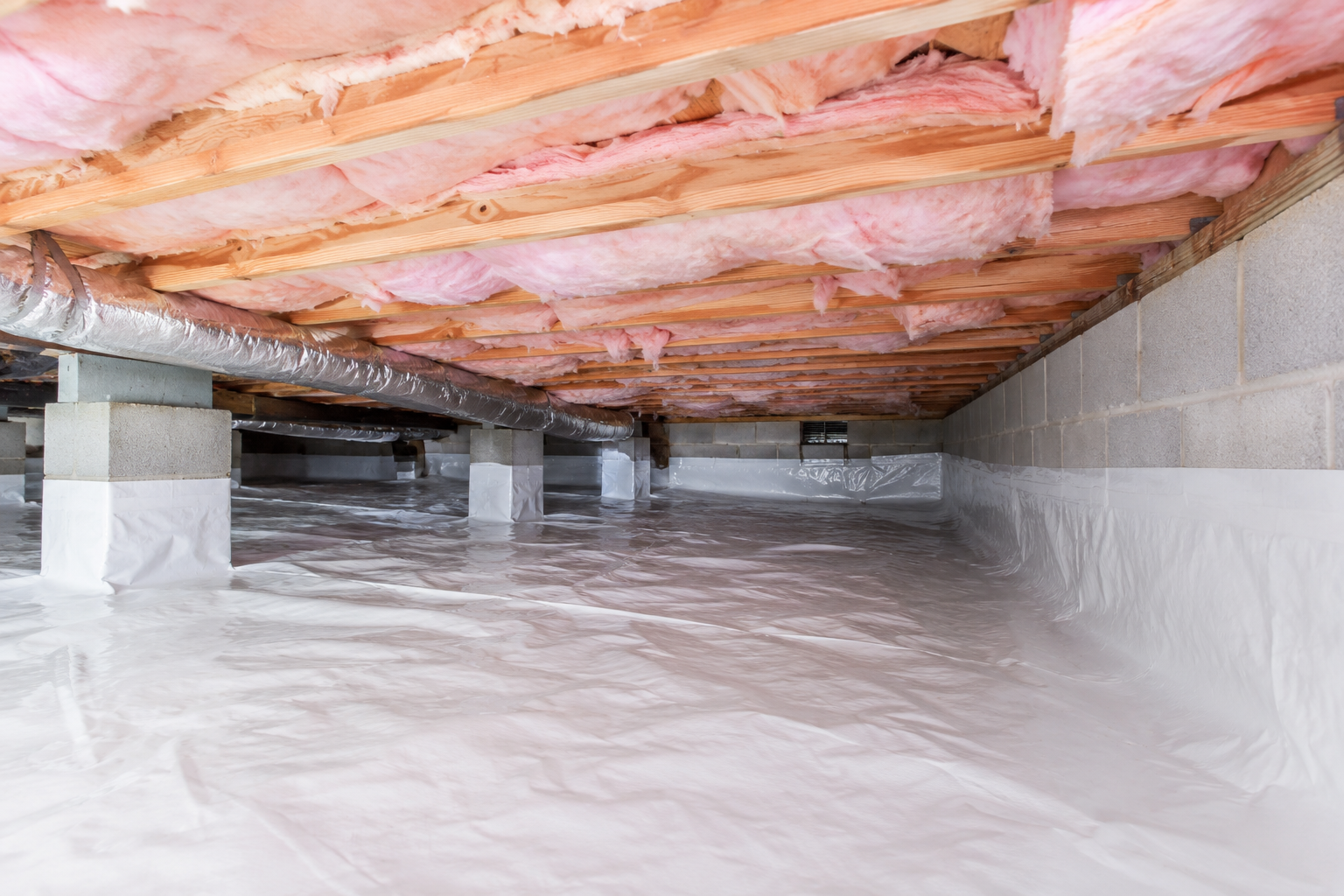
Humidity is one of the most challenging factors affecting home insulation performance. While fiberglass insulation remains a popular choice due to its affordability and availability, many homeowners are surprised to discover that a fiberglass insulation vapor barrier may not provide adequate protection in humid climates.
Excess moisture can significantly reduce insulation efficiency, contribute to mold growth, and create long-term structural concerns. These issues are particularly common in crawl spaces, where humidity levels often remain elevated throughout the year. Understanding why fiberglass insulation systems struggle in humid environments can help homeowners make informed decisions about moisture management and energy efficiency.
At Triangle Radiant Barrier, homeowners frequently seek information about insulation performance and moisture control. Learning how humidity affects insulation is an important step toward maintaining a healthier and more energy-efficient home.
What Is a Fiberglass Insulation Vapor Barrier?
A fiberglass insulation vapor barrier is a moisture-resistant layer designed to slow the movement of water vapor through walls, floors, ceilings, and crawl spaces. Vapor barriers are often paired with fiberglass insulation to help reduce the risk of condensation within building assemblies.
Fiberglass insulation works by trapping pockets of air between glass fibers. These air pockets reduce heat transfer and help maintain indoor temperatures. However, fiberglass itself does not stop moisture movement. As a result, vapor barriers are often installed alongside insulation to improve moisture control.
While this combination can perform adequately in some environments, humid climates present unique challenges that can compromise the effectiveness of both the insulation and the vapor barrier.
Understanding Moisture Movement in Homes
Before exploring why fiberglass insulation vapor barriers fail, it is important to understand how moisture moves through a home.
Water vapor naturally travels from areas with higher humidity to areas with lower humidity. This movement occurs through:
- Air leakage
- Diffusion through building materials
- Ground moisture evaporation
- Ventilation systems
- Temperature-driven condensation
In humid climates, moisture is constantly attempting to enter the home’s building envelope. If this moisture becomes trapped within insulation systems, problems can quickly develop.
Why Fiberglass Insulation Vapor Barriers Fail in Humid Climates
In humid climates, fiberglass insulation vapor barriers often struggle because moisture can become trapped within insulation systems, reducing their effectiveness over time.
Moisture Becomes Trapped
One of the biggest reasons vapor barriers fail is that they can trap moisture inside wall cavities or crawl spaces.
While vapor barriers are designed to limit moisture movement, they cannot always prevent water vapor from entering a structure. When moisture enters from leaks, foundation walls, or air infiltration, the vapor barrier may prevent the assembly from drying properly.
Over time, trapped moisture can accumulate and create ideal conditions for mold growth and material deterioration.
Fiberglass Insulation Absorbs Moisture
Although fiberglass does not absorb water in the same way as a sponge, moisture can become trapped between the fibers.
When insulation becomes damp, several issues may occur:
- Reduced thermal resistance
- Increased energy loss
- Compression and settling
- Mold growth on surrounding materials
- Decreased indoor comfort
Because humid climates expose insulation to continuous moisture challenges, these problems often become more severe over time.
Condensation Develops Easily
Condensation occurs when warm, humid air comes into contact with cooler surfaces.
In humid regions, temperature differences between indoor and outdoor environments frequently create condensation inside walls, crawl spaces, and attics. Once moisture condenses, fiberglass insulation can become wet and lose its effectiveness.
Repeated condensation cycles can gradually damage insulation and surrounding structural components.
Air Leaks Bypass the Vapor Barrier
Even a properly installed vapor barrier cannot stop moisture that enters through air leaks.
Common sources of air leakage include:
- Plumbing penetrations
- Electrical openings
- Ductwork gaps
- Foundation cracks
- Poorly sealed joints
Humid air entering through these openings can carry significant amounts of moisture into insulation systems.
The Challenges of Fiberglass Insulation in Crawl Space Applications
Many homeowners choose fiberglass insulation in crawl space areas because it is widely available and relatively affordable. However, crawl spaces are among the most moisture-prone areas of a home.
Ground Moisture Creates Constant Humidity
Even when standing water is not present, exposed soil continually releases moisture into the air.
Without proper moisture control measures, crawl spaces can experience elevated humidity levels throughout the year. This moisture eventually comes into contact with insulation materials, reducing their effectiveness.
Insulation Can Sag Over Time
Moisture exposure often causes fiberglass insulation to become heavy and sag between floor joists.
Sagging insulation creates gaps that allow conditioned air to escape and outdoor temperatures to influence indoor comfort. As insulation continues to deteriorate, energy efficiency declines.
Mold Growth Becomes More Likely
A damp crawl space creates ideal conditions for mold development.
Although fiberglass itself is not a food source for mold, dust and organic debris trapped within the insulation can support mold growth. Mold can spread to nearby wood framing and negatively impact indoor air quality.
Problems Associated With Fiberglass Insulation for Crawl Space Projects
Homeowners considering fiberglass insulation for crawl space installations should be aware of the long-term challenges that often accompany this material in humid environments.
Frequent Moisture Exposure
Crawl spaces are exposed to moisture from several sources, including:
- Ground evaporation
- Foundation seepage
- Seasonal flooding
- Condensation
- Humid outdoor air
These conditions can significantly reduce the lifespan of fiberglass insulation.
Pest Damage
Rodents and insects often find crawl spaces attractive nesting areas.
Fiberglass insulation can be damaged by pests, resulting in gaps, compressed sections, and reduced thermal performance.
Increased Maintenance Requirements
Compared to some modern insulation systems, fiberglass insulation may require more frequent inspections and replacement when exposed to high moisture levels.
This ongoing maintenance can increase long-term costs despite lower upfront installation expenses.
Warning Signs of a Failing Fiberglass Vapor Barrier System
Recognizing insulation problems early can help homeowners avoid costly repairs.
Persistent Musty Odors
Musty smells often indicate excessive moisture accumulation and possible mold growth within insulation or surrounding materials.
Higher Energy Bills
When insulation loses effectiveness, heating and cooling systems must work harder to maintain indoor temperatures.
Unexpected increases in energy costs may signal insulation performance issues.
Damp or Sagging Insulation
Insulation that appears wet, compressed, or hanging from floor joists often indicates moisture damage.
Visible Mold
Dark stains, discoloration, or visible mold growth on insulation or framing materials should be addressed promptly.
Elevated Indoor Humidity
If indoor humidity remains consistently high despite normal HVAC operation, moisture may be entering the home through crawl spaces or compromised insulation systems.
How Crawl Space Conditions Affect the Entire Home
Many homeowners do not realize how closely crawl space conditions are connected to indoor comfort.
Through a process known as the stack effect, air from the crawl space can move upward into living areas. When crawl spaces contain excessive moisture, that moisture can influence indoor humidity levels throughout the home.
As a result, crawl space problems may contribute to:
- Uncomfortable indoor conditions
- Increased HVAC workload
- Poor indoor air quality
- Higher energy costs
-
Mold concerns
Addressing crawl space moisture often improves overall home performance.
Effective Moisture Control Strategies
Because humidity is the primary cause of insulation failure, moisture management should be a priority for homeowners living in humid climates.
Crawl Space Encapsulation
Encapsulation involves sealing crawl space floors and walls with moisture-resistant materials to reduce humidity intrusion.
Potential benefits include:
- Improved moisture control
- Enhanced energy efficiency
- Better indoor air quality
- Reduced mold risk
Air Sealing
Preventing humid outdoor air from entering the building envelope is essential.
Areas commonly targeted for air sealing include:
- Utility penetrations
- Duct openings
- Foundation cracks
- Rim joists
Reducing air leakage can significantly decrease moisture movement.
Proper Drainage
Water management around the home’s exterior plays a critical role in moisture control.
Important drainage measures include:
- Proper grading
- Functional gutters
- Downspout extensions
- Foundation drainage systems
Evaluating Insulation Options
Homeowners should consider how insulation materials perform under local climate conditions.
The guide on radiant barrier vs fiberglass insulation offers additional insights into insulation performance and energy efficiency considerations.
For those evaluating upgrades, learning more about fiberglass insulation can help clarify installation requirements and expected performance.
Conclusion
A fiberglass insulation vapor barrier can help control moisture under certain conditions, but humid climates often expose the limitations of this system. Moisture intrusion, condensation, air leakage, and crawl space humidity can all reduce insulation effectiveness and contribute to long-term building issues.
Whether evaluating fiberglass insulation in crawl space environments or considering fiberglass insulation for crawl space projects, understanding the relationship between insulation and moisture is essential. Effective moisture management strategies, routine inspections, and informed insulation decisions can help protect both energy efficiency and indoor comfort.
For additional information about insulation solutions and moisture control strategies, contact us or request a free estimate to discuss your home’s specific needs.
Before/After images not found.