




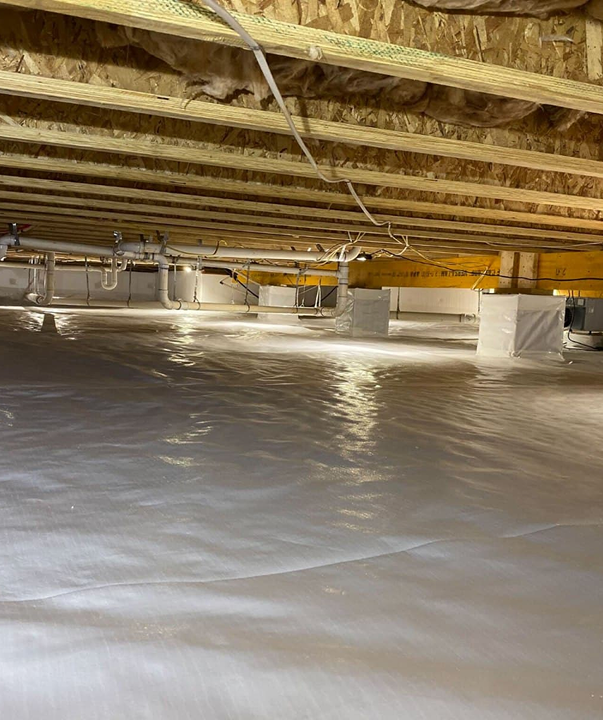
Cary’s humid climate can create persistent moisture problems in crawl spaces, particularly when soil, vents, insulation, or drainage allow damp air to remain trapped beneath a home. Over time, excess moisture can contribute to odors, mold growth, damaged insulation, and uncomfortable indoor conditions.
Crawl space encapsulation creates a sealed environment that helps control moisture and unwanted air movement. For homeowners considering the investment, the main question is whether the long-term benefits justify the cost. For properties in Cary and nearby communities, Cary crawl space encapsulation can be considered as part of a broader strategy for moisture control, energy efficiency, and home protection.
Why Cary Crawl Spaces Can Have Moisture Problems
Humid outdoor air can enter through crawl space vents, while moisture can also rise from exposed soil beneath the structure. Plumbing leaks, groundwater, poor drainage, and condensation can add to the problem. When the crawl space stays damp for extended periods, wood components, insulation, and other materials may be exposed to conditions that support deterioration and mold growth. A moisture problem below the home can also affect the comfort and air quality inside the living areas above it.
Humidity Can Affect More Than the Crawl Space
Air movement between a crawl space and the living area can occur through gaps around floors, ductwork, plumbing penetrations, electrical openings, and other areas. This means conditions beneath the home may have an effect on the environment inside the house.
Excess humidity can make rooms feel warmer and may place additional demand on air conditioning equipment. Musty odors can also travel upward when damp materials or mold are present. Controlling moisture at its source can therefore be useful for maintaining a more comfortable indoor environment.
How Encapsulation Can Affect Indoor Air Quality
The air inside a home is connected to more areas of the structure than many homeowners realize. When a crawl space contains excessive moisture, mold, or musty materials, air from that area can potentially enter the living space through small openings. Sealing the crawl space can reduce uncontrolled air exchange while moisture management helps create a drier environment.
This may support better indoor conditions, particularly when humidity has been a recurring concern. However, encapsulation should not be treated as a replacement for professional remediation when established mold is already present.
Moisture Control Matters for Mold Prevention
Mold requires moisture to grow, so controlling humidity and water intrusion is an essential part of preventing recurring mold problems. Encapsulation can help reduce exposure to humid outdoor air and moisture rising from the ground. Existing leaks, drainage problems, or other sources of water still need to be corrected.
Where mold is already present, cleaning and remediation should be completed using appropriate methods before the crawl space is sealed. Homeowners researching Cary crawl space mold remediation should consider both the existing mold condition and the moisture source that allowed it to develop.
Other Crawl Space Benefits Homeowners Should Consider
Encapsulation can provide several benefits beyond simply reducing moisture entering the crawl space. By creating a more controlled environment beneath the home, it can address conditions that affect comfort, building materials, and odors over time. The specific benefits will depend on the existing condition of the crawl space and whether other improvements, such as insulation or dehumidification, are needed.
Better Moisture Control
One of the main advantages of encapsulation is improved control over moisture entering the crawl space. A properly installed barrier can limit moisture from exposed soil, while sealed walls and openings can reduce the amount of humid outside air entering the area.
A dehumidification system may provide additional humidity control when conditions require it. Keeping moisture levels under control can help create a more stable environment beneath the home. The system should still be inspected periodically to ensure it continues to perform as intended.
Protection for Wood and Structural Components
Wood naturally responds to moisture, and prolonged exposure to damp conditions can contribute to deterioration. Crawl space encapsulation can help reduce the moisture exposure of floor joists and other wood components.
This does not repair structural damage that already exists, but it can help address environmental conditions that contribute to future problems. Any signs of wood damage should be evaluated separately. Protecting the crawl space environment can therefore form part of a broader home maintenance strategy.
Improved Comfort
Temperature and humidity conditions beneath a home can influence how the floors and rooms above feel throughout the year. Reducing drafts and uncontrolled air movement may help create more consistent indoor conditions.
Encapsulation can also work alongside insulation improvements to address heat transfer through the crawl space. Comfort improvements depend on the existing construction and the quality of the installation. A crawl space assessment can help identify which changes are most appropriate.
Reduced Musty Odors
Persistent musty odors may indicate excess moisture, damp insulation, mold, or other organic materials in the crawl space. Sealing the area without addressing the source of the odor will not necessarily solve the problem.
Moisture sources should first be identified and corrected. Existing mold or contaminated materials may also require appropriate cleaning or removal. Once those conditions are addressed, moisture control can help reduce the chance of the problem returning.
Should Homeowners Encapsulate Their Crawl Space?
Crawl space encapsulation can make financial and practical sense when moisture, humidity, air leakage, or poor crawl space conditions are affecting the property. Climate makes moisture management particularly relevant for many homes, but the right solution depends on the property’s specific condition.
Triangle Radiant Barrier provides crawl space and insulation services for properties in the Raleigh area and surrounding communities. A professional evaluation can help homeowners understand the condition of the crawl space and determine whether encapsulation is an appropriate investment.
A Dry Crawl Space Can Protect More Than the Space Beneath Your Home
Crawl space encapsulation is not simply about covering the ground beneath a house. Its purpose is to create better control over moisture, humidity, air movement, and the overall crawl space environment. For homeowners, those improvements can contribute to comfort, indoor air quality, energy efficiency, and protection of the home’s underlying structure.
The investment makes the most sense when it addresses an existing problem and is designed around the property’s actual conditions. A professional crawl space assessment is a practical first step before deciding whether encapsulation is right for the home.
For an evaluation or additional information about crawl space services, homeowners can Connect with Triangle Radiant Barrier .
Before/After images not found.