




Crawl spaces protect important parts of a home, including floor joists, insulation, plumbing, and electrical components. In Raleigh, warm temperatures, high humidity, seasonal rainfall, and changing ground conditions can create an environment where crawl space problems develop gradually.
Moisture is often at the centre of many of these issues, but standing water, damaged insulation, mold, pests, and structural concerns can also affect the space beneath a home. Understanding the common crawl space problems found in Raleigh homes is a practical first step toward protecting the property.
Why Crawl Spaces in Raleigh Can Develop Problems
Raleigh’s climate can expose crawl spaces to significant amounts of moisture throughout the year. Warm, humid outdoor air may enter through vents, gaps, and other openings, while rainwater can reach the foundation when drainage is inadequate. Moisture can also come from exposed soil, plumbing leaks, groundwater, or condensation on cooler surfaces.
Humidity and Rainfall Create a Difficult Combination
High humidity can make it difficult for a traditionally vented crawl space to remain dry. Outside air entering through vents may carry moisture into the space rather than removing it. Rainfall can add another source of moisture when gutters, downspouts, grading, or drainage systems do not direct water away from the foundation.
Older Homes May Have Additional Crawl Space Concerns
Older crawl spaces may contain materials and systems that have deteriorated over time. Vapor barriers can become torn, insulation may sag or become contaminated, and vents or access doors may no longer seal properly.
Wood components may also show signs of prolonged moisture exposure. These conditions can make it harder to maintain a stable crawl space environment. A detailed inspection can identify areas that require repair, replacement, sealing, or additional moisture control.
Moisture Is One of the Most Common Crawl Space Problems
Excess moisture is one of the most frequent problems found beneath homes in humid climates. It can enter through the soil, foundation walls, plumbing systems, outside air, or poor drainage around the property.
Moisture may not always appear as visible water because humidity and condensation can also keep surfaces damp. Over time, persistent dampness can affect wood, insulation, and other materials. Controlling moisture at its source is essential for preventing related crawl space problems.
Common signs of excess crawl space moisture include:
- Damp or wet insulation
- Condensation on pipes or other surfaces
- Musty smells
- Damp wooden components
- Elevated humidity
- Water stains
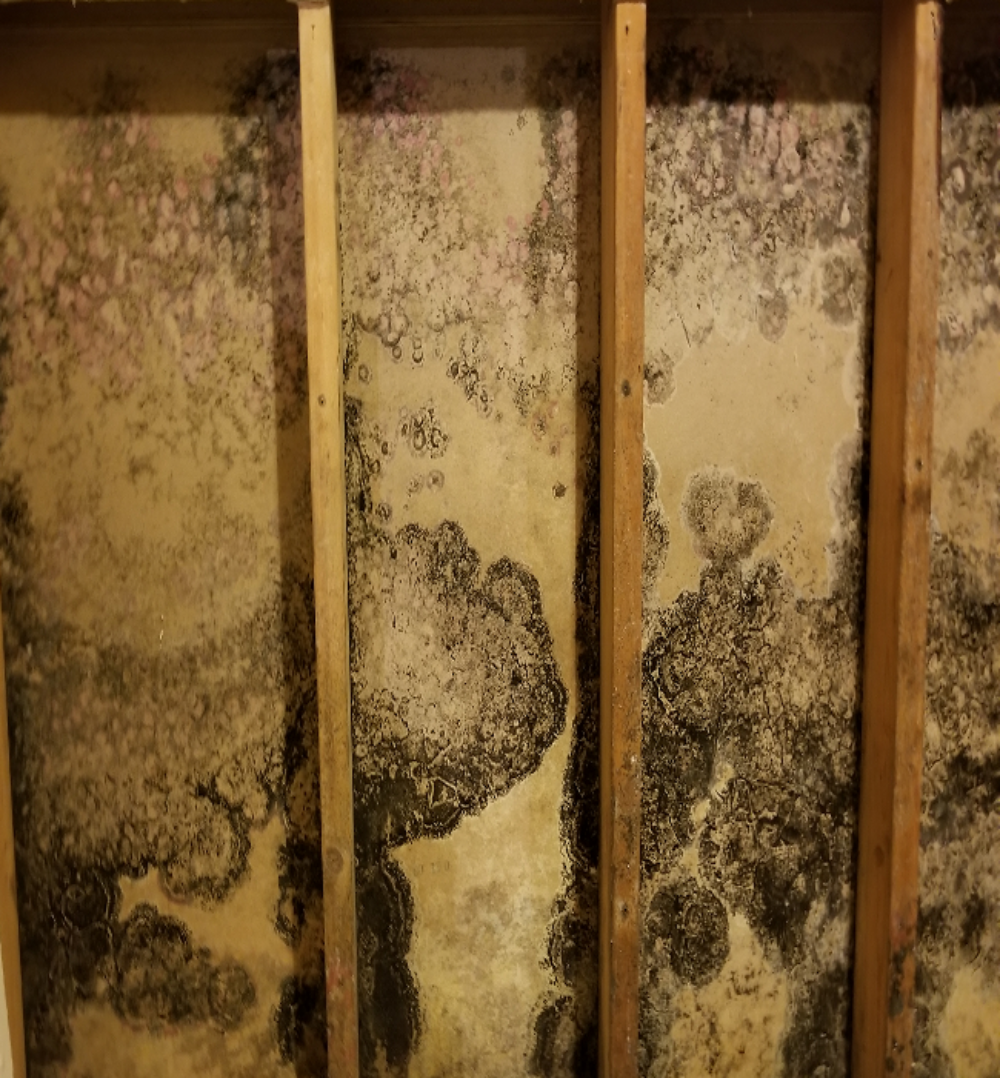
- Visible mold
A crawl space that repeatedly develops these signs should be inspected rather than simply cleaned or dried temporarily. Finding the source of moisture helps determine whether the appropriate response involves drainage improvements, plumbing repairs, vapor barriers, dehumidification, encapsulation, or another solution.
Standing Water Should Never Be Ignored
Standing water is a more obvious sign that a crawl space has a moisture problem. It can appear after heavy rainfall, plumbing failures, drainage problems, or groundwater intrusion.
Even shallow pools of water can keep the surrounding environment humid and expose nearby materials to prolonged dampness. Water may also damage insulation and contribute to unpleasant odors or mold growth. Removing visible water without correcting its source leaves the underlying problem unresolved.
Where Standing Water May Come From
Several conditions can allow water to collect beneath a home:
- Poor exterior drainage
- Foundation water intrusion
- Plumbing leaks
- Groundwater
- Improper grading
- Damaged or inadequate drainage systems
Each source requires a different response. A plumbing leak should be repaired at the source, while foundation water may require drainage or waterproofing measures. Poor grading can direct rainwater toward the foundation instead of away from it. Identifying the cause is therefore more useful than treating standing water as an isolated issue.
Sagging Floors Can Point to Crawl Space Problems
Changes in the floor above a crawl space can sometimes indicate an issue beneath the home. Floors that feel uneven, soft, or noticeably lower in certain areas may be affected by damaged floor joists, deteriorated supports, settlement, or other structural conditions.
Moisture can contribute to wood deterioration when exposed components remain damp for extended periods. However, sagging floors do not have a single cause, so a professional evaluation is needed to determine what is happening. If you are considering crawl space encapsulation cost in Raleigh, early assessment can help prevent a relatively contained issue from becoming a larger structural repair.
What Can Cause Floors to Sag?
Potential causes include:
- Moisture-damaged floor joists
- Deteriorated support structures
- Settlement
- Inadequate support
- Wood deterioration
- Long-term moisture exposure
The crawl space should be inspected along with the flooring system above it. Looking only at the visible floor does not always reveal the underlying cause. Structural components, support points, moisture conditions, and insulation should all be considered during an assessment.
Moisture Damage Can Affect Wood and Insulation
Wooden components beneath a home can be vulnerable to prolonged exposure to moisture. Persistent dampness may contribute to deterioration, particularly when ventilation, drainage, or other moisture controls are inadequate.
Insulation can also lose effectiveness when it becomes wet, compressed, displaced, or contaminated. Damaged materials may not perform as intended and can contribute to poor temperature control within the home. Repairs should address both the damaged material and the condition that caused the damage.
Wet Insulation May Need More Than Drying
Insulation that has absorbed moisture may not return to its original condition simply by drying. The material may have become compressed, contaminated, or affected by mold. Its condition should be evaluated before deciding whether it can remain in place.
In some crawl spaces, additional insulation may be part of a broader moisture-control strategy. Raleigh spray foam insulation crawl space can be considered when the property’s construction and moisture conditions make this type of insulation appropriate.
Mold and Musty Odors Are Warning Signs
A musty smell beneath a home can indicate excess moisture, damp materials, or microbial growth. Mold can develop when moisture remains present on suitable surfaces for an extended period.
Visible growth may appear on wood, insulation, or other materials, but not every moisture problem produces obvious mold. Ignoring a persistent odor can allow the underlying moisture condition to continue. A proper inspection can help determine whether mold remediation or moisture control is required.
Mold Prevention Starts With Moisture Control
Removing visible mold does not solve the problem if moisture continues to enter the crawl space. The source may be groundwater, a plumbing leak, humid outdoor air, condensation, or another condition.
Once the source is identified, appropriate repairs can reduce the conditions that support continued mold growth. Depending on the severity of the problem, professional remediation may also be necessary. Moisture management should remain part of the long-term plan after remediation is completed.
Preventing Common Crawl Space Problems in Raleigh
Regular maintenance can help homeowners identify moisture and structural concerns before they become more serious. Gutters and downspouts should direct rainwater away from the foundation, while grading should prevent water from collecting near the home.
Plumbing leaks should be repaired promptly, and crawl space humidity should be monitored when moisture has been a recurring concern. Homeowners should also inspect vapor barriers and watch for changes in flooring or unusual odors. Proper maintenance is easier when potential sources of moisture are identified early.
Other useful maintenance steps include:
- Keep gutters clear and functioning properly.
- Direct downspouts away from the foundation.
- Check plumbing for leaks.
- Monitor crawl space humidity.
- Inspect vapor barriers for damage.
- Address standing water promptly.
- Watch for flooring changes.
- Investigate recurring moisture after rainfall.
Triangle Radiant Barrier provides crawl space and insulation services for homeowners in Raleigh and surrounding communities. Understanding the condition of the crawl space can help determine whether repairs, moisture control, insulation work, or other improvements are appropriate.
Before/After images not found.