


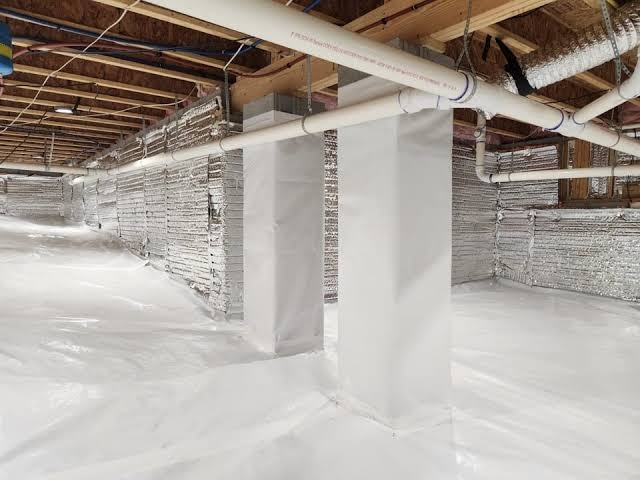
Moisture is one of the most common concerns in crawl spaces, and controlling it can help protect the home from damage. A properly installed crawl space vapor barrier can reduce moisture entering from the ground and support better crawl space conditions.
A crawl space vapor barrier is a moisture-resistant material installed over the ground or other surfaces in a crawl space to limit moisture vapor movement. Vapor barriers can help protect insulation and structural wood from moisture-related problems, but they are most effective when combined with appropriate drainage, ventilation or encapsulation measures, and proper installation.
What Is a Crawl Space Vapor Barrier?
A crawl space vapor barrier in Cary NC is a material designed to limit moisture vapor from moving through the ground and into the crawl space. It is typically installed across exposed soil and may be extended or sealed around applicable surfaces depending on the crawl space design.
The goal is to reduce moisture exposure rather than simply cover visible dampness, so the condition of the crawl space should be evaluated first to determine whether a vapor barrier is an appropriate solution.
Why Is a Crawl Space Vapor Barrier Important?
Moisture can contribute to problems involving wood, insulation, odors, and overall crawl space conditions. A vapor barrier helps reduce one potential source of moisture by limiting vapor movement from the soil. A properly installed barrier can support moisture management by:
- Reducing moisture vapor from exposed soil
- Helping protect wood components from damp conditions
- Supporting better moisture control
- Reducing conditions that contribute to musty odors
- Helping maintain a cleaner crawl space environment
How Does a Crawl Space Vapor Barrier Work?
Soil naturally contains moisture, which can move into the crawl space as water vapor. A vapor barrier creates a moisture-resistant layer between the exposed ground and the crawl space environment. The barrier does not remove water that is already present, so if a crawl space has standing water, groundwater intrusion, plumbing leaks, or drainage problems, those issues generally need to be addressed separately.
Is a Vapor Barrier the Same as Crawl Space Encapsulation?
A vapor barrier and full crawl space encapsulation are related but are not necessarily the same thing. A basic vapor barrier may focus primarily on limiting moisture vapor from exposed soil, while encapsulation can involve sealing the crawl space more comprehensively.
An encapsulated crawl space may include sealed floors, walls, seams, penetrations, and other areas depending on the design, with the appropriate approach determined by the home’s crawl space conditions and moisture-control needs.
When Should You Consider a Crawl Space Vapor Barrier?
Homeowners may consider a vapor barrier when exposed soil contributes to excessive moisture or when moisture control is part of a broader crawl space improvement plan. A professional evaluation can help determine whether the crawl space has conditions that make a vapor barrier appropriate. Signs that may warrant an inspection include:
- Damp or consistently humid crawl space conditions
- Exposed soil with noticeable moisture
- Musty odors
- Moisture-related wood deterioration
- Damp or damaged insulation
- Recurring crawl space moisture problems
Can a Vapor Barrier Prevent Mold?
A vapor barrier can help reduce moisture vapor from the ground, which may help control one condition associated with mold growth. However, it does not guarantee that mold will not develop. Existing moisture sources, leaks, condensation, humidity, and ventilation conditions also need to be considered, and if mold is already present, the underlying moisture problem should be addressed along with appropriate remediation.
Does a Vapor Barrier Help Protect Crawl Space Insulation?
Moisture can affect insulation and reduce its effectiveness over time. By limiting moisture vapor from exposed soil, a vapor barrier can support a drier crawl space environment and help reduce moisture exposure to nearby materials. However, wet or damaged insulation may need to be repaired or replaced depending on its condition, and installing a barrier alone may not resolve insulation problems caused by leaks, flooding, pests, or other sources.
Can a Vapor Barrier Help Protect Wood?
Persistent moisture can contribute to wood deterioration, particularly when crawl space conditions remain damp for extended periods. Reducing ground moisture vapor can help lower one source of moisture exposure, but a vapor barrier is not a substitute for repairing existing wood damage. Any signs of significant deterioration, rot, or structural concerns should be professionally evaluated.
What Should You Look for in a Crawl Space Vapor Barrier?
The appropriate material depends on the crawl space conditions and installation requirements. Thickness, durability, seams, attachment methods, and coverage are important considerations when evaluating a vapor barrier. A properly installed system should provide consistent coverage without leaving unnecessary exposed soil, and installation details are particularly important around seams, edges, penetrations, and transitions.
Why Does Proper Vapor Barrier Installation Matter?
A vapor barrier can be less effective when it is poorly fitted, damaged, or installed without addressing existing moisture problems. Gaps, unsecured sections, and improperly handled seams can reduce the effectiveness of the system. Professional installation can help ensure the material is properly positioned and integrated with the crawl space’s overall moisture-control strategy.
Should You Install a Vapor Barrier Yourself?
Some homeowners may be able to handle basic ground-cover installation, but crawl spaces can contain difficult access areas, moisture problems, damaged materials, or other conditions that are not obvious during a quick inspection. Professional evaluation is particularly useful when the crawl space has standing water, structural concerns, extensive moisture damage, or requires a more comprehensive encapsulation system.
What Is Included in Crawl Space Encapsulation?
A crawl space encapsulation system can involve more than installing a barrier over exposed soil. Depending on the property, the process may include sealing the floor and walls, addressing seams and penetrations, improving moisture control, and managing humidity. Because crawl spaces differ significantly, the exact components should be determined after an inspection rather than assuming every space requires the same system.
How Should You Choose a Crawl Space Moisture Control Contractor?
Look for a contractor who can identify the source of moisture and explain how the recommended solution addresses the underlying problem. The contractor should provide a clear scope of work rather than recommending a vapor barrier without evaluating the crawl space. Consider these factors:
- Experience with crawl space moisture problems
- Detailed inspection findings
- Clear explanation of recommended materials
- Proper installation methods
- Written scope of work and warranty information
Conclusion
A crawl space vapor barrier can be an important part of a moisture-control strategy by limiting water vapor from exposed soil. It can also support the protection of insulation, wood, and other crawl space materials when properly installed.
However, a vapor barrier should not be viewed as a solution for every crawl space problem, as standing water, leaks, drainage issues, excessive humidity, mold, and structural concerns may require additional solutions as part of a complete crawl space moisture-control plan. Connect with Triangle Radiant Barrier for crawl space vapor barrier solutions designed to help manage moisture and protect your crawl space.
Before/After images not found.