


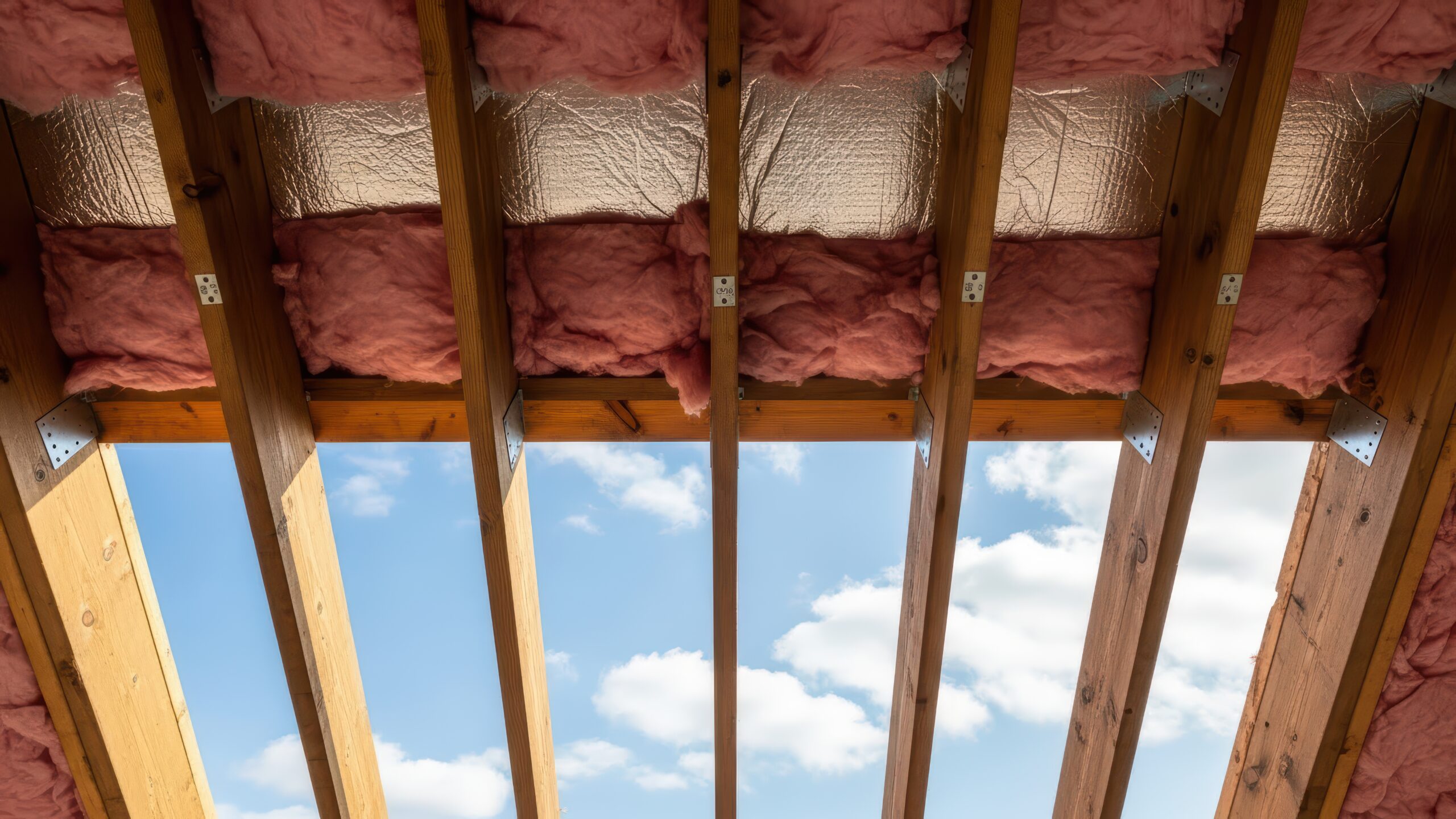
Homeowners across North Carolina are always searching for ways to reduce energy costs while improving comfort in their homes. With the state’s long, hot summers, cooling bills can account for a significant portion of household expenses. One solution that has gained attention in recent years is radiant barriers, a technology designed to reflect heat away from your home before it penetrates living spaces.
Triangle Radiant Barrier, a leading provider in the region, has helped numerous homeowners experience the benefits of radiant barriers in attics, proving their effectiveness in real-world applications. But the question remains: do radiant barriers really cut your energy bills? In this article, we’ll explore how they work, advantages, and whether installing a radiant barrier is a smart investment for homes in North Carolina. For more information, visit Triangle Radiant Barrier.
What Are Radiant Barriers?
Radiant barriers are reflective materials, typically made from aluminum foil, designed to reduce heat transfer from radiant energy. Unlike traditional insulation, which primarily resists conductive heat flow, radiant barriers focus on radiant heat, which is the heat emitted by the sun onto your roof and transferred into your attic.
When installed correctly, a radiant barrier attic can dramatically reduce heat buildup in the attic, keeping the living spaces below cooler and reducing the load on your air conditioning system. This technology complements existing insulation, rather than replacing it, providing an extra layer of protection against heat gain.
For homeowners in Raleigh, a professional radiant barrier attic installation can ensure optimal placement and energy savings.
How Radiant Barriers Work
A radiant barrier roof works by reflecting up to 97% of radiant heat back toward the roof, rather than allowing it to enter the attic. During hot North Carolina summers, sun-warmed roofs can increase attic temperatures by as much as 50–70°F above outdoor air temperatures. Without a radiant barrier, this heat radiates down into your living spaces, forcing your air conditioning system to work harder.
By installing an attic radiant barrier, homeowners create a reflective layer that blocks much of this radiant heat from entering the home. This can reduce attic temperatures significantly, resulting in lower energy consumption and improved comfort.
Benefits of Radiant Barriers in North Carolina
- Lower Cooling Costs
North Carolina summers are notoriously hot and humid, making cooling expenses a significant portion of household bills. By reducing attic heat gain, a radiant barrier can decrease attic temperatures by 10–20°F. This reduces the workload on air conditioning systems, which can translate to 5–15% savings on cooling energy costs for most homes.
- Enhanced Indoor Comfort
A cooler attic helps maintain consistent indoor temperatures, especially in upstairs rooms. Many homeowners report fewer hot spots and a more comfortable living environment after installing a radiant barrier. By keeping the roof heat from reaching living spaces, radiant barriers improve overall home comfort without requiring additional HVAC upgrades.
- Longer Roof and HVAC Lifespan
Excessive attic heat can accelerate the wear and tear on roofing materials and HVAC equipment. A radiant barrier roof helps reduce attic temperatures, easing the stress on these systems. Over time, this can extend the life of your roof shingles and reduce maintenance costs for air conditioning units.
- Energy Efficiency and Sustainability
Lowering energy usage benefits both homeowners and the environment. By reducing reliance on air conditioning during peak summer months, radiant barriers contribute to decreased energy consumption and a smaller carbon footprint. They are a passive, maintenance-free solution for energy-conscious homeowners.
- Cost-Effective Home Upgrade
Compared to major insulation or HVAC upgrades, radiant barriers are relatively inexpensive. When combined with proper attic insulation, they provide an affordable and effective way to improve home energy efficiency and comfort.
For more insight into how radiant barriers work and potential benefits, homeowners can explore this guide provided by Triangle Radiant Barrier.
Types of Radiant Barriers
There are several types of radiant barriers, each with unique advantages:
- Foil-Faced Sheets: Large aluminum foil sheets laminated to kraft paper or plastic, typically stapled to attic rafters.
- Foil-Faced Bubble Wrap: Flexible, lightweight, and ideal for retrofitting existing attics.
- Radiant Barrier Paint: Reflective paint applied directly to attic surfaces for a less intrusive option.
Choosing the right type depends on your home’s design, attic space, and budget. A professional evaluation ensures the most effective installation.
Are Radiant Barriers Effective in North Carolina?
North Carolina’s climate, characterized by long, hot summers and mild winters, makes radiant barriers particularly beneficial for cooling purposes. They are less impactful in winter, though they may provide minor heat retention benefits.
Homeowners in the state often experience energy savings ranging from 5–15%, depending on factors such as:
- Attic Ventilation: Adequate ventilation enhances the effectiveness of a radiant barrier.
- Insulation Quality: Radiant barriers complement existing insulation rather than replacing it.
- Roof Color and Material: Darker roofs absorb more heat, increasing the potential benefits of a radiant barrier.
- Home Design: Multi-story homes or homes with poorly ventilated attics benefit most.
Installation Considerations
Radiant barriers can be installed during new construction or as a retrofit in existing homes. Proper placement is crucial: the barrier should not touch insulation directly, as this can reduce its reflective properties.
Professional installation ensures optimal performance. For homeowners in North Carolina, Triangle Radiant Barrier offers expert evaluation and installation services, helping to maximize the benefits of this energy-saving technology.
Cost of Radiant Barrier Installation
The cost of installing a radiant barrier depending on the size of the attic, type of material, and labor. While the upfront investment may seem high, the long-term energy savings, improved comfort, and potential extension of roof and HVAC lifespan often justify the expense.
Common Misconceptions About Radiant Barriers
- Radiant Barriers Replace Insulation: False. Radiant barriers work alongside insulation to improve energy efficiency.
- They Work Best in Winter: False. Our primary benefit is reducing heat gain during hot summer months.
- Immediate and Massive Savings: False. Energy savings vary depending on attic conditions, insulation levels, and home design.
Understanding these misconceptions helps homeowners set realistic expectations for radiant barrier performance.
DIY vs Professional Installation
While DIY installation is possible, professional installation ensures that the radiant barrier is installed correctly and safely. Improper installation can reduce effectiveness or create gaps where heat can bypass the barrier.
Triangle Radiant Barrier provides professional installation across North Carolina, ensuring homeowners achieve maximum energy savings and comfort.
Radiant Barriers vs Other Energy-Saving Solutions
Radiant barriers are most effective when combined with other energy-efficient strategies, including:
- Proper attic insulation
- Reflective roofing materials
- Improved attic ventilation
This combined approach ensures that your home maintains consistent temperatures and reduces energy consumption, providing long-term savings and enhanced comfort.
Who Can Benefit Most from Radiant Barriers?
Radiant barriers are particularly beneficial for:
- Homes with poor attic ventilation
- Houses with dark-colored roofs
- Multi-story homes where heat transfer to living areas is higher
- Homes in regions with long, hot summers, like North Carolina
Homeowners considering this upgrade should schedule a consultation with professionals like Triangle Radiant Barrier to assess the specific needs and potential savings.
Conclusion
So, do radiant barriers really cut your energy bills in North Carolina? The answer is yes, especially for homes with high attic temperatures and significant cooling demands. By reflecting radiant heat, they improve indoor comfort, reduce energy costs, and complement existing insulation.
For homeowners seeking a cost-effective, passive solution to energy efficiency, a radiant barrier attic installation by Triangle Radiant Barrier is a reliable investment. With professional installation, proper placement, and integration with existing insulation, radiant barriers offer long-term benefits for both energy savings and home comfort.
For more information on professional radiant barrier solutions, visit Triangle Radiant Barrier or contact us today.
Before/After images not found.