


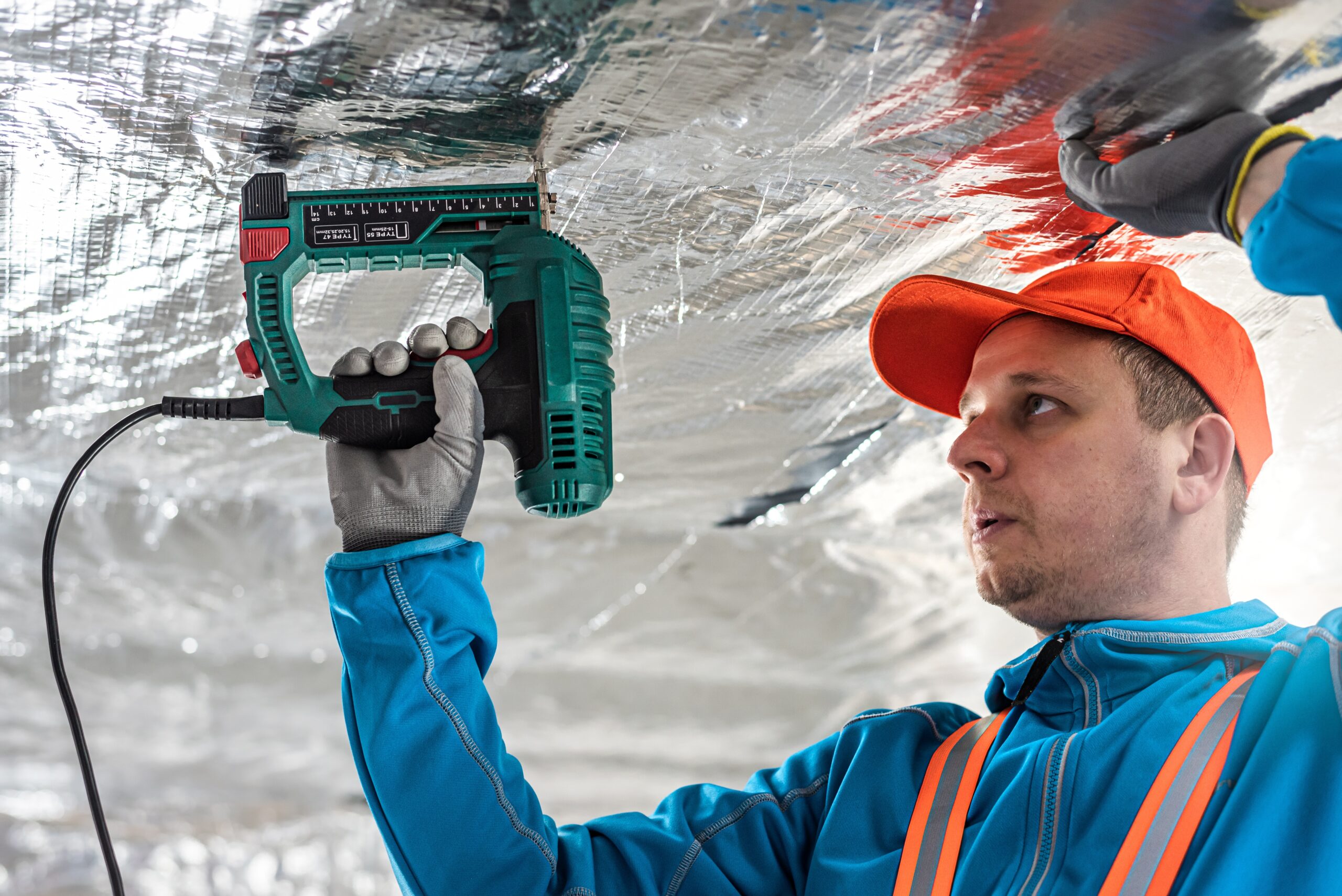
Homes across North Carolina often face high humidity levels, seasonal rainfall, and fluctuating temperatures. These environmental conditions can introduce excess moisture into crawl spaces, which may gradually affect the structural integrity of a home. One of the most effective ways to control moisture beneath a house is by installing a vapor barrier.
A vapor barrier works alongside insulation systems to prevent moisture from entering the crawl space. When combined with proper insulation such as fiberglass insulation in crawl space areas, it can significantly improve the energy efficiency and durability of a home.
Homeowners exploring crawl space solutions often learn about services provided by companies such as Triangle Radiant Barrier, which focuses on insulation and moisture management systems designed for North Carolina climates. Understanding how vapor barriers function and why they matter can help homeowners make informed decisions about protecting their property.
Understanding Crawl Space Moisture Problems in North Carolina
Crawl spaces are typically built with open vents and exposed soil beneath the home. In humid regions like North Carolina, this setup can easily allow moisture to enter and accumulate.
Common Sources of Moisture in Crawl Spaces
Several factors contribute to moisture buildup beneath homes:
- Ground moisture rising from exposed soil
- Outdoor humidity entering through vents
- Rainwater infiltration during storms
- Plumbing leaks or condensation
- Poor insulation or ventilation systems
When moisture collects in a crawl space, it can create long term problems for the home’s structure and indoor air quality.
Effects of Excess Moisture
If crawl space moisture is not controlled, homeowners may experience:
- Mold and mildew growth
- Wood rot in floor joists and beams
- Increased indoor humidity levels
- Higher energy bills due to inefficient insulation
- Pest infestations attracted to damp environments
These issues highlight why many homeowners look into installing a fiberglass insulation vapor barrier system that controls moisture while supporting insulation performance.
For homeowners considering insulation upgrades, resources like fiberglass insulation Raleigh NC often explain how insulation works with moisture barriers to protect crawl spaces.
What Is a Vapor Barrier?
A vapor barrier is a moisture resistant material installed along the ground or walls of a crawl space. Its main purpose is to prevent water vapor from rising into the structure above.
Typically made from polyethylene plastic or reinforced moisture resistant membranes, vapor barriers create a protective layer between the soil and the crawl space air.
How Vapor Barriers Work
Water vapor naturally moves from areas of high moisture to areas of lower moisture. In crawl spaces with exposed soil, water vapor easily rises upward and enters the wooden framing of the home.
A vapor barrier blocks this movement by sealing the ground surface.
This simple but effective barrier prevents moisture from reaching structural materials and insulation.
Why Crawl Space Vapor Barriers Matter
A properly installed vapor barrier helps:
- Reduce moisture intrusion
- Protect insulation from damp conditions
- Prevent mold growth
- Improve indoor air quality
- Extend the lifespan of structural materials
When installed correctly, vapor barriers work alongside fiberglass insulation for crawl space environments to maintain stable temperatures and reduce humidity levels.
The Relationship Between Vapor Barriers and Fiberglass Insulation
Many homes in North Carolina use fiberglass insulation in crawl spaces. While fiberglass insulation is effective at slowing heat transfer, it can lose performance when exposed to moisture.
Why Moisture Affects Fiberglass Insulation
Fiberglass insulation contains tiny glass fibers that trap air pockets to slow heat movement. However, when moisture enters the insulation:
- Air pockets collapse
- Thermal resistance decreases
- Mold growth becomes possible
This is why installing a fiberglass insulation vapor barrier is essential in crawl space environments.
The barrier prevents moisture from saturating the insulation and ensures the insulation continues performing efficiently.
Homeowners often explore information on fiberglass insulation in Raleigh when it becomes a smart home upgrade to better understand how insulation improvements contribute to long term home efficiency.
Benefits of Installing a Vapor Barrier in Your Crawl Space
A vapor barrier provides several structural and environmental benefits that go beyond moisture control.
Structural Protection
Wooden beams, joists, and flooring components can deteriorate when exposed to prolonged moisture.
By blocking ground vapor, a vapor barrier protects structural materials from decay and damage.
Improved Energy Efficiency
Moisture filled air makes heating and cooling systems work harder.
When combined with fiberglass insulation for crawl space applications, vapor barriers help maintain consistent indoor temperatures and reduce energy loss.
Reduced Mold and Mildew Risk
Mold thrives in damp environments. Crawl spaces without moisture control can become ideal conditions for mold growth.
A vapor barrier reduces the humidity levels that allow mold to develop.
Better Indoor Air Quality
Air from crawl spaces can circulate into the living areas of a home through a process known as the stack effect.
If the crawl space contains mold spores or high humidity, those contaminants may enter indoor air. Vapor barriers reduce this risk by controlling moisture levels beneath the home.
Protection for Insulation Materials
Moisture exposure can damage insulation materials over time. Installing a vapor barrier ensures that fiberglass insulation in crawl space systems remain dry and effective.
Crawl Space Insulation Options in North Carolina Homes
Many homeowners consider both insulation type and moisture protection when upgrading their crawl spaces.
Fiberglass Insulation
Fiberglass insulation is one of the most widely used insulation materials in crawl spaces due to its affordability and accessibility.
Advantages include:
- Good thermal resistance
- Easy installation
- Widely available materials
However, fiberglass insulation requires moisture control systems to remain effective.
Homeowners researching insulation upgrades may find comparisons such as radiant barrier vs fiberglass insulation what Raleigh users should choose helpful when selecting the right solution.
Radiant Barriers
Radiant barriers reflect heat rather than slowing conductive heat transfer like fiberglass insulation.
In some homes, radiant barriers and fiberglass insulation may be used together to improve energy efficiency.
Learning the differences between insulation types can help homeowners select the best system for their specific climate and crawl space design.
Signs Your Crawl Space May Need a Vapor Barrier
Many homeowners are unaware of crawl space issues until visible damage appears. Recognizing early warning signs can prevent expensive repairs.
Common Warning Signs
You may need a vapor barrier if you notice:
- Damp or musty odors inside the home
- Visible mold or mildew growth
- Condensation on pipes or insulation
- Warped or sagging floors
- Pest activity beneath the house
If these issues appear, it may indicate excessive crawl space humidity.
Homeowners exploring crawl space improvements often research insulation upgrades through fiberglass insulation Raleigh NC resources to better understand their options.
Key Steps in Vapor Barrier Installation
Proper installation is critical for vapor barriers to function effectively.
Step 1: Crawl Space Preparation
Before installing a vapor barrier, the crawl space should be inspected for existing moisture damage, leaks, or structural concerns.
Debris and sharp objects must be removed to prevent damage to the barrier material.
Step 2: Ground Coverage
The vapor barrier material is placed directly on the soil surface. Large sheets are used to cover as much area as possible.
Overlapping seams ensure continuous moisture protection.
Step 3: Sealing and Securing
Seams and edges are sealed to prevent moisture from escaping through gaps.
In some systems, the barrier may also extend up foundation walls to create a more comprehensive moisture barrier.
Step 4: Insulation Integration
After the vapor barrier is installed, insulation such as fiberglass insulation for crawl space areas can be installed or upgraded to maximize energy efficiency.
Proper coordination between insulation and vapor barriers ensures both systems perform effectively.
Why Crawl Space Moisture Control Matters for Long Term Home Health
Crawl space moisture can slowly damage a home’s structure without immediate visible signs.
Over time, persistent humidity can lead to structural weakening, indoor air contamination, and rising energy costs.
Installing a vapor barrier is one of the most practical ways to reduce these risks.
For homeowners researching insulation improvements, resources like fiberglass insulation in Raleigh when it becomes a smart home upgrade often explain how insulation and moisture control work together to support long term home durability.
Understanding these systems allows homeowners to make informed decisions about protecting their property.
Conclusion
Crawl spaces are often overlooked areas of the home, yet they play a crucial role in maintaining structural stability and indoor comfort. In humid regions like North Carolina, moisture control is essential for preventing long term damage.
A properly installed vapor barrier helps stop ground moisture from entering the crawl space and protects structural components from decay. When paired with fiberglass insulation in crawl space environments, it also supports better energy efficiency and indoor air quality.
By addressing crawl space moisture early, homeowners can reduce the risk of mold growth, insulation damage, and structural problems.
If you want professional guidance on crawl space insulation or moisture protection, consider reaching out through the contact us page to learn more about crawl space solutions and insulation services.
Before/After images not found.