




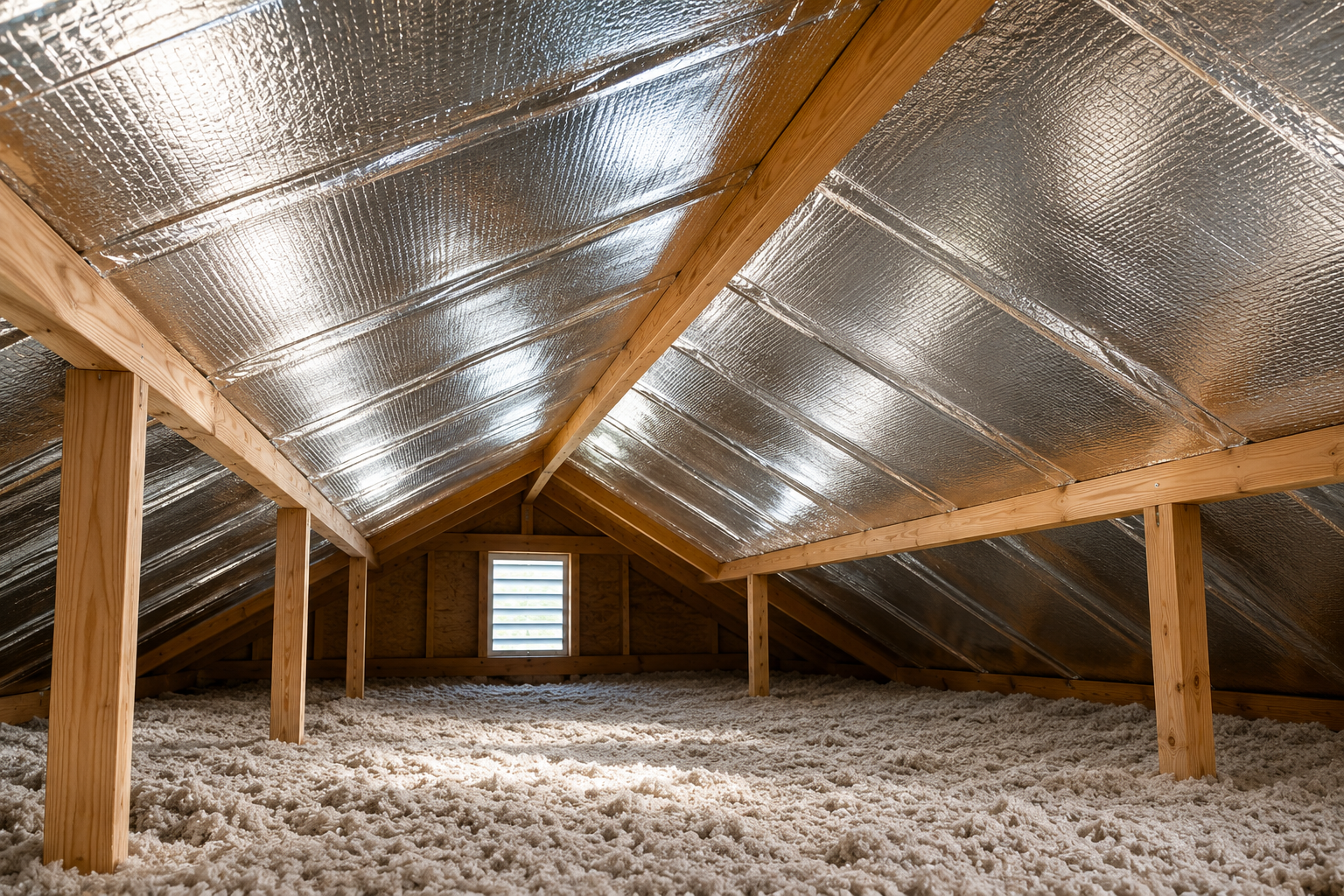
Many homeowners look for ways to lower cooling costs, improve indoor comfort, and increase energy efficiency. One solution that often comes up during home improvement discussions is the use of radiant barriers. These reflective materials are designed to reduce heat transfer and can play an important role in managing attic temperatures, particularly in warm climates.
Companies such as Triangle Radiant Barrier specializes in installing radiant barrier systems that help homeowners better understand and address heat gain issues. But do radiant barriers actually reduce energy bills, or are the benefits often overstated?
This article explains how radiant barriers work, where they are most effective, and what homeowners should realistically expect from their installation.
What Are Radiant Barriers?
Radiant barriers are highly reflective materials, usually made from aluminum foil, that are installed in attics or roofing systems to reduce radiant heat transfer.
Unlike traditional insulation, which slows conductive heat movement, a radiant barrier reflects heat away from living spaces. During hot weather, roofs absorb significant amounts of solar energy. This heat radiates into the attic and eventually into the home’s interior. A radiant barrier helps reflect much of this heat before it enters the conditioned areas of the house.
How Radiant Heat Transfer Works
Heat moves in three primary ways:
- Conduction
- Convection
- Radiation
Most attic heat gain during sunny weather occurs through radiation. Roof surfaces become extremely hot and emit radiant energy into the attic space. Radiant barriers are specifically designed to reduce this form of heat transfer.
How Does a Radiant Barrier Reduce Energy Bills?
The primary purpose of a radiant barrier is to reduce the amount of heat entering the home through the attic.
When less heat enters the living space:
- Air conditioning systems operate less frequently
- Indoor temperatures remain more stable
- Cooling equipment experiences reduced workload
- Energy consumption may decrease
According to industry studies, properly installed radiant barriers can significantly reduce attic temperatures and improve overall energy efficiency, especially in regions with long cooling seasons.
For a detailed discussion on energy savings, homeowners can review this guide on do radiant barriers really cut your energy bills in North Carolina.
Understanding the Role of a Radiant Barrier Attic System
A radiant barrier attic installation is one of the most common applications for this technology.
The attic often becomes the hottest area of a home during summer months. Temperatures can exceed 130°F (54°C) in many regions.
Installing a radiant barrier within the attic can help:
- Reflect heat away from attic spaces
- Lower attic air temperatures
- Reduce heat transfer to insulation
- Improve HVAC efficiency
Common Attic Installation Methods
Stapled to Roof Rafters
The barrier is attached to the underside of the roof deck, creating a reflective surface that blocks radiant heat before it enters the attic.
Laid Over Existing Insulation
In some cases, reflective materials are installed directly over attic insulation. However, this method may be less effective than rafter installations due to dust accumulation over time.
What Is an Attic Radiant Barrier?
The terms radiant barrier attic and attic radiant barrier are often used interchangeably.
An attic radiant barrier refers specifically to the reflective material installed within the attic environment to minimize heat gain. Its effectiveness depends on several factors:
- Local climate
- Roof design
- Existing insulation levels
- Ventilation quality
- Installation method
Homeowners considering installation should evaluate these factors before making a decision.
How a Radiant Barrier Roof Works
A radiant barrier roof integrates reflective technology directly into the roofing system.
Instead of only installing reflective material inside the attic, some roofing products include radiant barrier components attached to roof sheathing or incorporated into roof decking materials.
Benefits of a Radiant Barrier Roof
A radiant barrier roof may provide:
- Reduced attic heat gain
- Improved indoor comfort
- Enhanced energy efficiency
- Lower cooling demands
- Extended HVAC system performance
Because the reflective surface is positioned closer to the heat source, this approach can help improve overall thermal performance.
For homeowners exploring installation options, learning about professional radiant barrier Raleigh NC services can provide insight into available solutions.
Where Radiant Barriers Perform Best
Radiant barriers are not equally effective in every climate.
Hot and Sunny Regions
The greatest benefits typically occur in areas that experience:
- Long summers
- High solar exposure
- Significant cooling demands
Homes in southern states often see the most noticeable improvements.
Homes with High Cooling Costs
Properties that rely heavily on air conditioning may benefit more from radiant barrier installations because reducing attic heat directly lowers cooling system workload.
Older Homes
Older homes sometimes lack modern insulation standards. In these cases, radiant barriers can complement existing energy-efficiency upgrades.
Situations Where Savings May Be Limited
While radiant barriers can be beneficial, they are not a universal solution.
Cold Climates
Homes located in predominantly cold regions often experience limited benefits because cooling demands are lower.
Poorly Sealed Homes
Air leaks can undermine energy savings. If conditioned air escapes through gaps and cracks, a radiant barrier alone may not produce substantial improvements.
Insufficient Insulation
Radiant barriers should not replace traditional insulation. Instead, they work alongside insulation systems.
Without adequate insulation, homeowners may not experience optimal results.
Radiant Barriers vs Traditional Insulation
Many homeowners mistakenly assume radiant barriers replace insulation.
The two products serve different purposes.
Traditional Insulation
Traditional insulation:
- Slows conductive heat transfer
- Reduces heat movement through walls and ceilings
- Provides year-round thermal resistance
Radiant Barriers
Radiant barriers:
- Reflect radiant heat
- Primarily target attic heat gain
- Improve cooling efficiency
Why Both Matter
The best energy performance often comes from combining:
- Proper insulation
- Effective attic ventilation
- Air sealing
- Radiant barrier systems
- Together, these components create a more comprehensive energy-efficiency strategy.
Additional Benefits Beyond Energy Savings
While reducing utility bills is often the primary goal, radiant barriers can offer several secondary benefits.
Improved Indoor Comfort
Many homeowners report more consistent indoor temperatures after installation. Rooms located directly below the attic may feel noticeably cooler during summer months.
Reduced HVAC Strain
When air conditioning systems operate less frequently, equipment may experience reduced wear and tear. This can potentially contribute to longer service life and lower maintenance requirements.
Better Temperature Control
Attic temperature reductions can help stabilize temperature fluctuations throughout the home.
Potential Environmental Benefits
Lower energy consumption generally means reduced demand for electricity, which may contribute to lower environmental impact.
Factors That Influence Performance
Not every installation delivers identical results.
Several variables affect the overall effectiveness of a radiant barrier.
Geographic Location
Climate plays a major role in determining potential energy savings. Homes located in hot, sunny regions typically experience greater benefits from radiant barriers because cooling systems operate more frequently.
Roof Orientation
Homes receiving extensive sun exposure may experience greater benefits. Roofs that face direct sunlight for most of the day absorb more heat, making radiant barriers more effective at reducing attic temperatures and limiting heat transfer into living spaces.
Attic Ventilation
Proper airflow helps maximize radiant barrier performance. A well-ventilated attic allows trapped heat to escape more efficiently, working alongside the radiant barrier to maintain lower attic temperatures and improve overall energy efficiency.
Existing Energy Efficiency
Homes with strong insulation and air sealing may see different results than homes with significant efficiency deficiencies. Radiant barriers work best as part of a comprehensive energy strategy, complementing insulation and reducing the overall cooling load on the home.
Installation Quality
Professional installation helps ensure the barrier performs as intended. Correct placement, adequate air space, and proper attachment methods are essential for maximizing heat reflection and achieving the best possible energy-saving results.
Homeowners interested in evaluating their home’s suitability can request a free estimate to better understand potential benefits.
Is a Radiant Barrier Worth the Investment?
For many homeowners in warm climates, radiant barriers can provide measurable benefits.
A properly installed radiant barrier attic system may help:
- Reduce attic temperatures
- Improve comfort levels
- Lower cooling costs
- Enhance HVAC efficiency
However, expectations should remain realistic. Radiant barriers are most effective when combined with proper insulation, air sealing, and attic ventilation.
Before investing, homeowners should evaluate their current energy performance and identify the most impactful improvements for their specific property.
Conclusion
Radiant barriers are designed to reduce radiant heat transfer, making them particularly useful in hot climates where cooling costs represent a significant portion of household energy expenses. Whether installed as an attic radiant barrier or incorporated into a radiant barrier roof, these systems can help improve comfort and reduce heat gain when properly installed.
While energy savings vary from home to home, radiant barriers often perform best as part of a broader energy-efficiency strategy that includes insulation, ventilation, and air sealing. Homeowners seeking more information about installation options or property assessments can contact us to learn more about radiant barrier solutions.
Before/After images not found.