


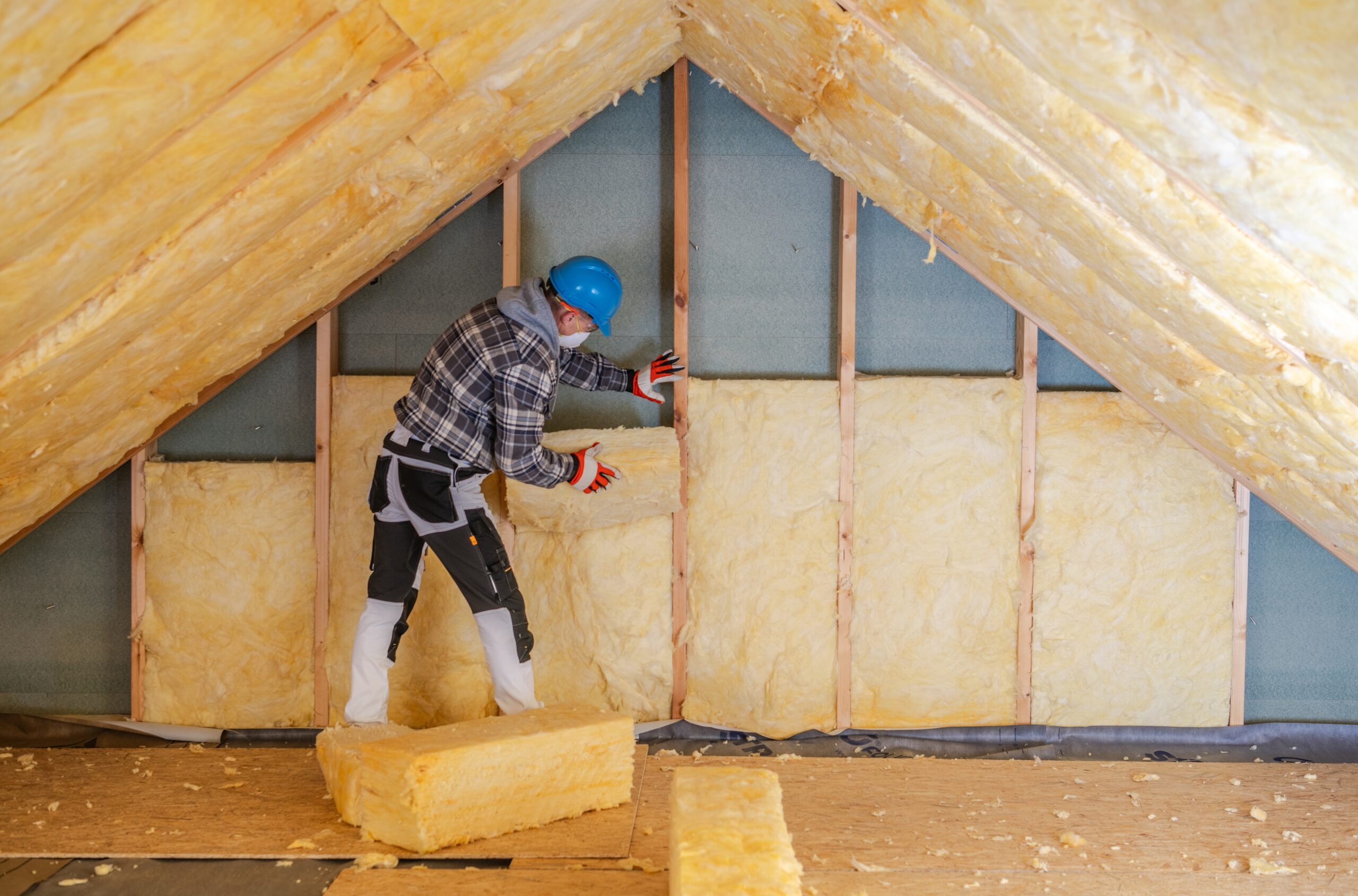
Proper attic insulation is one of the most critical aspects of maintaining a comfortable and energy-efficient home in the Triangle area. Homeowners often overlook the attic when it comes to managing temperature control, energy consumption, and long-term durability of their homes. Triangle Radiant Barrier, a trusted provider of attic insulation solutions, radiant barriers, and solar attic fan installations, helps homeowners improve energy efficiency and comfort. This guide provides a comprehensive overview of attic insulation, different methods available, and how homeowners can maximize efficiency and comfort with the right solutions.
What is Attic Insulation and Why Important?
Attic insulation is a layer of material installed between your home’s living space and attic, designed to reduce heat transfer. This barrier helps keep your home cooler in the summer and warmer in the winter, reducing energy consumption and saving money on utility bills. In the Triangle area, where temperatures can fluctuate significantly throughout the year, proper attic insulation is essential for maintaining a consistent indoor temperature.
Benefits of Proper Attic Insulation
- Energy Efficiency: Reduces the workload on heating and cooling systems.
- Comfort: Maintains a stable indoor temperature throughout the year.
- Reduced Utility Bills: Proper insulation can reduce energy costs by up to 20%.
- Improved Home Longevity: Reduces stress on HVAC systems and prevents moisture-related issues.
- Environmental Impact: Less energy consumption leads to a smaller carbon footprint.
Homeowners can also combine attic insulation with a radiant barrier to enhance energy efficiency and further reduce heat gain during the summer months.
Types of Attic Insulation
Choosing the right type of attic insulation depends on factors such as climate, home structure, budget, and desired energy efficiency. Here are the most common types used in the Triangle area:
- Fiberglass Batt Insulation
Fiberglass batt insulation is one of the most common types due to its affordability and ease of installation. It comes in pre-cut panels that fit between joists and rafters.
Pros:
- Cost-effective
- Fire-resistant
- Widely available
Cons:
- Can leave gaps if not installed correctly
- May lose efficiency if compressed
- Blown-In Insulation
Blown-in insulation is made from fiberglass or cellulose and is installed using a blowing machine. This type is ideal for irregular spaces and retrofitting older homes.
Pros:
- Fills gaps and hard-to-reach areas
- Provides consistent R-value
- Effective for existing attics
Cons:
- Requires professional installation
- Can settle over time, reducing efficiency
- Spray Foam Insulation
Spray foam insulation expands after application, sealing gaps and cracks. It offers excellent air sealing and a higher R-value per inch compared to other types.
Pros:
- Excellent air barrier
- High R-value
- Prevents moisture infiltration
Cons:
- Expensive
- Requires professional installation
Homeowners who are unsure about which option is best can check out what is the best insulation for my home for a detailed guide and professional recommendations.
Enhancing Attic Efficiency with Radiant Barriers
A radiant barrier is a reflective material installed in the attic to reduce heat transfer from the roof into your home. Unlike conventional insulation, which slows conductive and convective heat flow, radiant barriers specifically reduce radiant heat.
How Attic Radiant Barriers Work
Radiant barriers reflect radiant heat from the roof, preventing it from entering the living space below. This is particularly effective during the hot summers common in North Carolina.
Benefits of Installing a Radiant Barrier
- Reduces cooling costs
- Improves indoor comfort
- Works well with existing insulation
For professional installation, visit Triangle Radiant Barrier services to learn more about how a radiant barrier can complement your attic insulation.
The Role of Solar Attic Fans in Home Efficiency
Proper ventilation is critical for attic efficiency. Without it, heat and moisture can build up, reducing insulation performance and increasing cooling costs. Installing a solar attic fan is an eco-friendly solution to improve airflow.
What is a Solar Attic Fan?
A solar attic fan is a roof-mounted ventilation system powered by solar energy. It helps remove hot air from the attic, reduce indoor temperatures, and easing the burden on HVAC systems.
Benefits of Solar Attic Fans
- Energy Efficiency: Operates using solar energy, lowering electricity usage.
- Temperature Control: Reduces attic temperatures, enhancing insulation effectiveness.
- Moisture Reduction: Prevents mold and mildew growth by reducing humidity.
- Cost Savings: Reduces reliance on air conditioning, cutting utility bills.
Homeowners interested in installing a solar attic fan can ensure proper placement and efficiency by consulting professional services.
Steps for Installing Attic Insulation
Proper installation is essential to maximize insulation efficiency. Here is a step-by-step process:
Step 1: Assess Your Attic
Determine the current insulation type, condition, and R-value. Identify areas with gaps, moisture, or damage.
Step 2: Choose the Right Insulation
Select insulation based on your home requirements, attic layout, and budget. Consider combining traditional insulation with attic radiant barrier for enhanced performance.
Step 3: Prepare the Attic
- Remove debris and old insulation if necessary
- Seal air leaks using caulk or foam
- Ensure proper ventilation
Step 4: Install Insulation
- Batt Insulation: Place between joists without compressing material
- Blown-In Insulation: Use a blowing machine for even distribution
- Spray Foam: Apply professionally for complete coverage
Step 5: Add Ventilation Solutions
Consider installing an attic fan or a solar attic fan to enhance air circulation and maintain attic efficiency. Proper airflow prevents moisture buildup and ensures the insulation performs optimally.
Signs You Need New Attic Insulation
Not sure if your attic insulation is effective? Watch for these common signs:
- Uneven indoor temperatures
- High utility bills
- Ice dams forming in winter
- Attic floor feels warm in summer
- Visible gaps or compressed insulation
If you notice any of these issues, a professional inspection can determine the best solution. Schedule a consultation with Triangle Radiant Barrier to ensure your attic is properly insulated and ventilated.
Energy Efficiency and Cost Savings
Upgrading attic insulation can significantly impact energy efficiency in your home. Studies show that proper insulation combined with ventilation systems like solar attic fans can reduce cooling costs by 10–30%.
Cost Considerations:
- DIY Installation: Affordable but labor-intensive
- Professional Installation: Higher initial cost but ensures optimal performance and longevity
In addition, combining attic fan installation with insulation improvements provides a long-term return on investment by reducing energy bills and prolonging the lifespan of HVAC systems.
Maintenance Tips for Attic Insulation
Once insulation is installed, proper maintenance ensures efficiency:
- Inspect Annually: Look for moisture, pest damage, and settling.
- Maintain Ventilation: Keep solar or mechanical attic fans functioning correctly.
- Add Insulation if Needed: Older insulation may compress over time; adding a layer can restore R-value.
- Address Air Leaks: Seal leaks around chimneys, vents, and electrical fixtures.
Regular maintenance maximizes energy savings and home comfort.
Conclusion
Attic insulation is a critical component of home comfort, energy efficiency, and long-term cost savings in the Triangle area. Whether upgrading existing insulation, adding a radiant barrier, or installing a solar attic fan, homeowners can take meaningful steps to improve their home performance.
For professional guidance and installation services, visit Triangle Radiant Barrier Contact Page to schedule an evaluation. Ensuring your attic is properly insulated and ventilated will enhance comfort, save energy, and protect your home for years to come.
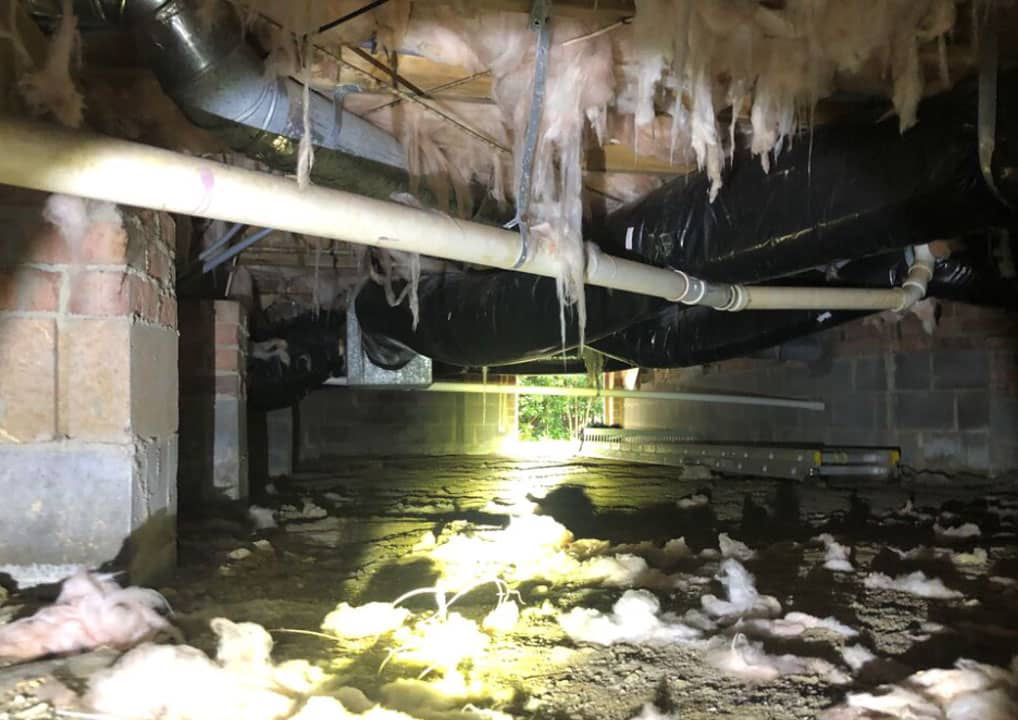 before
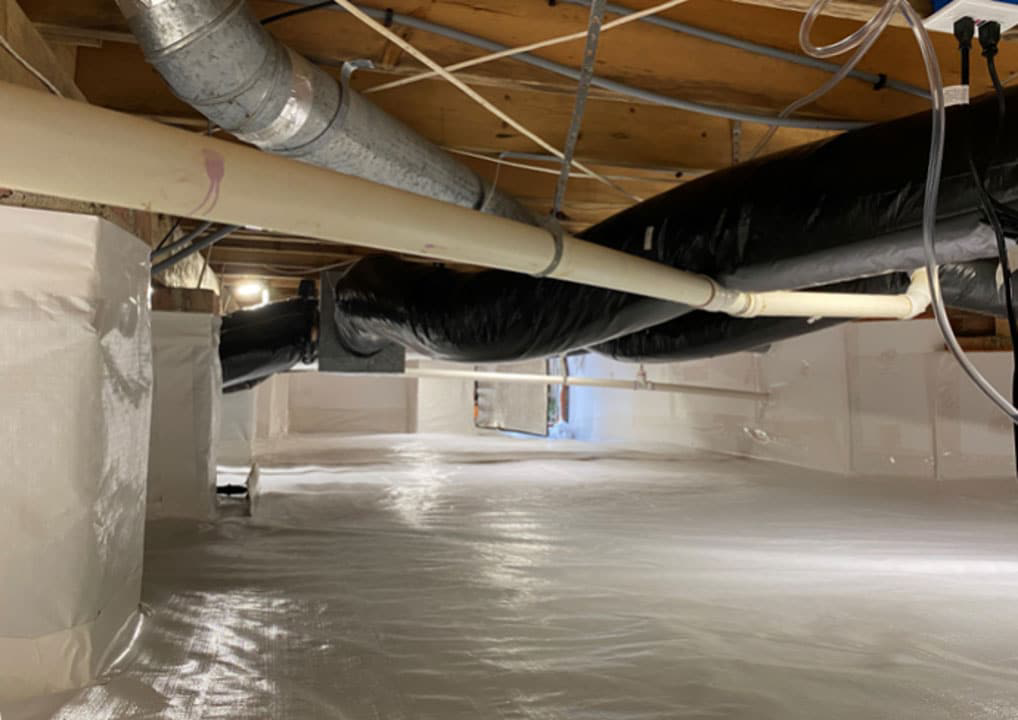 after
after

