


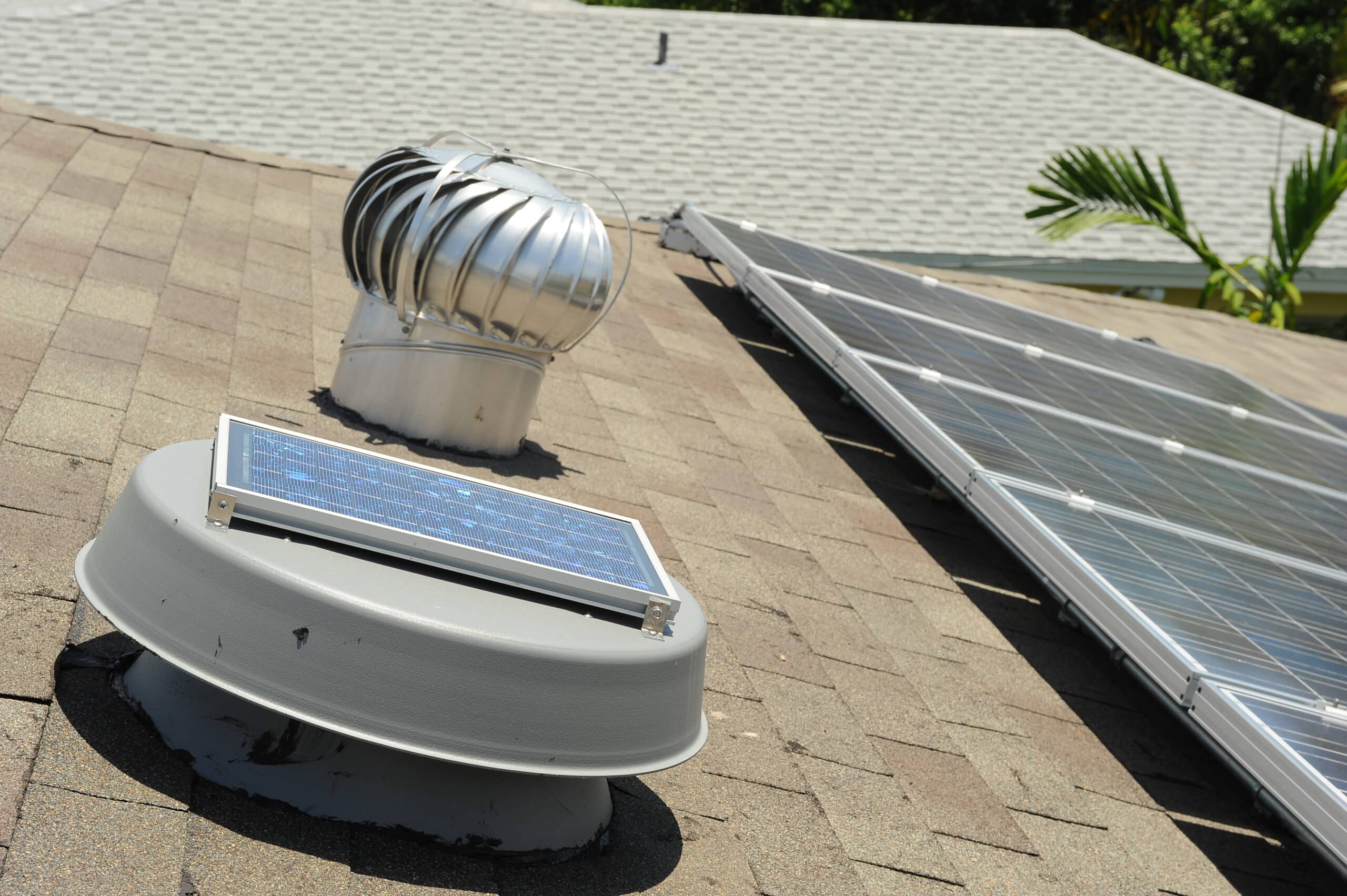
Raleigh homeowners are discovering a game-changing solution for their homes in 2025: solar attic fans. These innovative devices are transforming how residents manage their home’s temperature, energy costs, and environmental impact.
Solar attic fans offer a powerful combination of benefits that make them an increasingly popular choice:
Energy Efficiency: Your attic temperature can drop significantly, reducing the strain on your HVAC system
Cost Savings: With a 30% federal tax credit and minimal operating costs, you’ll see returns on your investment within two years
Eco-Friendly Operation: Powered entirely by solar energy, these fans help reduce your home’s carbon footprint
Simple Installation: Many models can be installed without complex wiring or permits
Quiet Performance: Advanced brushless motors ensure whisper-quiet operation
Low Maintenance: Built for durability with minimal upkeep requirements
When temperatures in Raleigh attics can soar to 140°F on a 90°F summer day, these solar-powered ventilation systems create active airflow that makes a real difference. They pull in cooler outdoor air through your soffit vents while expelling hot air, creating a more comfortable living environment throughout your home.
Let’s explore why these innovative devices are becoming the go-to choice for Raleigh homeowners seeking smart, sustainable home improvements in 2025.
The Rise of Solar Attic Fans in Raleigh
Raleigh homeowners are embracing a significant shift in home improvement priorities, with energy efficiency taking center stage in 2025. The local real estate market shows a growing preference for homes equipped with sustainable features, particularly solar attic fans.
Key market trends driving adoption:
Rising energy costs have pushed homeowners to seek innovative cooling solutions
Increased awareness of environmental impact in home maintenance
Growing demand for smart home technologies that reduce carbon footprint
Traditional attic ventilation methods, such as box fans and hardwired systems, are being replaced by solar alternatives. While passive ventilation systems rely on natural airflow through ridge vents and soffits, solar attic fans actively circulate air, creating a more efficient cooling process.
The local climate in Raleigh presents unique challenges, with summer temperatures reaching 90°F and attics heating up to 140°F. Solar attic fans address these conditions by:
Creating active airflow that displaces hot air with cooler outdoor air
Operating at peak efficiency during the hottest hours
Reducing HVAC system strain during intense summer months
Real estate data indicates homes with solar attic fans sell faster and command higher prices in the Raleigh market. This trend aligns with the city’s commitment to sustainable development and energy-efficient building practices.
Benefits of Solar Attic Fans
Solar attic fans are a game-changing solution for Raleigh homeowners looking for practical ways to improve their home’s energy efficiency. These innovative devices offer a wide range of benefits that directly enhance comfort and save on costs.
Energy Efficiency
The main advantage of solar attic fans is their intelligent energy management system. These fans create active airflow by:
Pulling in cooler outdoor air through soffit vents
Replacing hot air (up to 140°F) with cooler air (around 90°F)
Operating at peak efficiency during the sunniest hours
Running completely off-grid using solar power
When a solar attic fan controls attic temperatures, your HVAC system gets significant relief. The reduced heat load results in:
20-30% less strain on air conditioning units
Extended lifespan of the HVAC system
Decreased frequency of repairs
Lower monthly utility bills
This impact is especially noticeable during Raleigh’s hot summer months. With proper installation, a solar attic fan can lower attic temperatures by up to 50 degrees Fahrenheit, creating a substantial barrier between your living space and the intense heat from the roof.
These fans operate independently from your home’s electrical system, relying on a dedicated solar panel for power. This self-sufficient design means:
No effect on your electricity consumption
No extra utility costs
Continuous operation during daylight hours
Maximum efficiency when it’s needed most
The energy-saving benefits go beyond immediate cooling effects. Solar attic fans help maintain temperature throughout your entire home by:
Preventing heat from entering living spaces
Reducing the workload on insulation
Creating consistent airflow in the attic area
Supporting proper ventilation year-round
The Natural Light Solar Attic Fans installed in Raleigh homes deliver up to 2,105 cubic feet per minute of air movement, powered by a 65-watt system. This powerful performance ensures effective temperature control without relying on your home’s power supply.
As the solar attic fan regulates upper-level temperatures, the efficiency of your HVAC system improves. The reduced strain leads to:
Lower maintenance costs
Increased longevity of the system
Better temperature control
Enhanced energy efficiency ratings
- Cost-Effectiveness
The financial advantages of solar attic fans make them an attractive investment for Raleigh homeowners. The federal government currently offers a substantial 30% tax credit on solar attic fan installations, significantly reducing the initial investment cost.
Investment Return Breakdown:
Purchase and installation costs offset by tax credit
Energy bill reduction starts from day one
Complete investment recovery within 2 years
Solar attic fans present a stark contrast to traditional hardwired fans in terms of operating costs. While traditional fans add to monthly electricity bills, solar-powered units run completely free once installed. A typical Raleigh household can save $20-40 monthly on cooling costs during peak summer months.
The long-term financial benefits extend beyond direct energy savings:
Reduced HVAC system wear and tear
Lower maintenance requirements
Extended roof life due to better ventilation
Increased home value
The cost comparison becomes even more favorable when factoring in the rising electricity rates in the Raleigh area. Traditional attic fans can add $100-150 to annual energy costs, while solar alternatives eliminate this expense entirely.
These fans prove particularly cost-effective for homes with limited ridge ventilation or hip roofs, where passive ventilation systems struggle to maintain optimal attic temperatures. The combination of zero operating costs and federal incentives creates a compelling financial case for Raleigh homeowners considering attic ventilation upgrades.
- Quiet Operation and Low Maintenance
Solar attic fans with brushless motors are known for their quiet performance, which makes them stand out from traditional ventilation systems. The Natural Light solar attic fans operate at sound levels barely noticeable from inside your home, creating a peaceful living environment while efficiently managing attic temperatures.
Benefits of Brushless Motors:
No friction between components
Reduced wear and tear
Longer operational lifespan
Minimal vibration during operation
Unlike hardwired alternatives, solar attic fans are designed to be maintenance-free. This means you won’t have to:
Schedule regular maintenance checks
Replace worn-out brushes
Deal with motor lubrication
Worry about electrical component failures
These fans are built with powder-coated steel housing, providing superior durability compared to aluminum or ABS plastic options. The robust construction protects internal components from weather exposure, eliminating the need for frequent repairs or replacements.
The self-contained solar panel keeps the system running independently, reducing potential points of failure. The automated temperature-based operation means you can install the fan and let it work without manual adjustments or ongoing monitoring.
Raleigh homeowners appreciate this hands-off approach to attic ventilation, as it allows them to focus on other home maintenance priorities while their solar attic fan quietly maintains optimal attic conditions year-round.
- Humidity Control and Mold Prevention
Solar attic fans are essential for controlling moisture levels in your attic. These fans create a steady flow of air that effectively removes humid air, preventing it from settling and damaging your home’s structure.
Key Moisture Control Benefits:
Stops condensation from forming on roof decking
Lowers the chances of wood rot in roof supports
Shields insulation from moisture damage
Ensures proper airflow throughout the year
When warm, damp air gets trapped in your attic without proper ventilation, it creates an ideal environment for mold to thrive. Solar attic fans promote continuous air exchange, keeping humidity levels in check and making it difficult for mold spores to settle and grow.
The pest prevention aspect is equally important. Insects and rodents are naturally attracted to dark, humid places. By keeping your attic drier, solar fans make the space less appealing to unwanted pests.
Temperature and Humidity Balance:
Keeps attic temperature closer to outdoor levels
Reduces moisture buildup during Raleigh’s humid summers
Creates an unfriendly environment for mold growth
Helps maintain the structural integrity of roofing materials
The constant airflow provided by solar attic fans is especially beneficial during North Carolina’s humid seasons when moisture-related problems are most likely to occur in poorly ventilated areas.
Advantages of Installing Solar Attic Fans
Solar attic fans stand out in the home improvement market with their remarkably straightforward installation process. You can transform your attic ventilation system without the complex requirements typically associated with traditional fan installations.
- Simplified Installation Process
The installation of solar attic fans requires minimal structural modifications to your home. Unlike hardwired alternatives, these systems don’t need:
Electrical permits
Complex wiring systems
Professional electrician services
Additional circuit breaker installations
The basic installation steps include:
Selecting an optimal roof location with direct sunlight exposure
Creating a proper-sized opening in the roof
Installing the mounting brackets
Securing the solar panel and fan unit
Sealing and weatherproofing the installation area
DIY-Friendly Features:
Pre-assembled components
Built-in temperature sensors
Self-contained power units
Plug-and-play solar panel connections
The absence of electrical wiring makes solar attic fans particularly appealing to DIY enthusiasts. You don’t need specialized electrical knowledge or tools to complete the installation. The system operates independently, using solar power to run the fan motor directly.
Key Installation Benefits:
No connection to your home’s electrical system required
Zero impact on your existing power infrastructure
Flexible placement options on your roof
Weather-resistant components designed for quick assembly
Many homeowners in Raleigh appreciate the time-saving aspects of solar attic fan installations. The process typically takes 2-4 hours for a standard installation, compared to traditional hardwired fans that might require multiple days for electrical work and inspections.
Natural Light Solar Attic Fans come with comprehensive installation guides and mounting hardware. These systems feature powder-coated steel housing, providing superior durability against Raleigh’s varying weather conditions. The brushless motor design ensures proper alignment during installation, reducing the risk of future maintenance issues.
For optimal performance, professional installers recommend positioning the fan on the south-facing portion of your roof. This placement maximizes sun exposure and ensures consistent operation during peak heating hours.
- Optimal Performance During Peak Sunlight Hours
Solar attic fans are most effective when your home needs it the most – during sunny hours. As temperatures rise in Raleigh, these fans automatically work harder, creating a natural cooling cycle that matches the intensity of the sun.
How Solar Attic Fans Work
The active airflow system in solar attic fans creates a powerful ventilation process:
Continuous Air Movement: The fan pulls fresh air through soffit vents while expelling hot air through the roof
Temperature Reduction: On a 90°F day, attics can reach 140°F – solar fans can reduce this by up to 50 degrees
Smart Operation: The fans adjust their speed based on available sunlight, optimizing performance throughout the day
Advantages Over Passive Ventilation Systems
Unlike passive ventilation systems that rely solely on natural air movement, solar attic fans create a forced air exchange. This active approach proves particularly effective in:
Homes with limited ridge vents
Properties with complex roof designs
Areas with minimal natural air circulation
The direct relationship between sunlight intensity and fan operation means these systems work hardest during the hottest parts of the day. As the sun’s rays become stronger, the solar panel generates more power, increasing the fan’s speed and cooling capacity. This self-regulating feature ensures your attic receives maximum ventilation when heat buildup is at its highest.
Environmental Impact of Solar Attic Fans
Solar attic fans are an important step towards sustainable living practices in Raleigh homes. These innovative installations perfectly match the increasing demand for eco-friendly home improvements that provide real environmental benefits.
Carbon Footprint Reduction and Sustainable Living
The environmental impact of solar attic fans goes beyond just making individual homes more efficient. By using solar power, these systems eliminate the need for traditional electrical power sources, which directly reduces carbon emissions from households. On average, a single solar attic fan can prevent approximately 1,000 pounds of carbon dioxide emissions each year – that’s like planting 50 trees!
Key Environmental Benefits:
Zero operational carbon emissions
Reduced dependency on fossil fuel-generated electricity
Minimized strain on local power grids during peak usage periods
Extended roof life through better temperature regulation
Decreased need for artificial cooling systems
The adoption of solar attic fans contributes to a broader sustainable living framework. These installations demonstrate how modern homes can integrate renewable energy solutions without sacrificing performance or comfort. The environmental benefits multiply when combined with other green home improvements:
Sustainable Home Integration:
Complementary function with solar panels
Enhanced effectiveness of existing insulation
Reduced need for chemical-based cleaning products in attic spaces
Lower demand for replacement HVAC components
The shift toward sustainable home solutions carries significant weight in addressing climate change at the community level. Solar attic fans serve as an entry point for many homeowners exploring renewable energy options. Their success often leads to increased interest in additional sustainable home improvements.
Community Impact:
Creates local awareness of renewable energy benefits
Encourages neighborhood-wide adoption of sustainable practices
Supports regional environmental initiatives
Demonstrates visible commitment to environmental stewardship
Lifespan Environmental Benefits
The environmental benefits of solar attic fans extend throughout their entire lifecycle. These systems typically last 15-20 years, providing continuous positive environmental impact through:
Reduced energy consumption
Minimal maintenance waste
Lower replacement frequency
Recyclable components
The adoption of solar attic fans in Raleigh homes reflects a growing understanding that individual choices create collective environmental impact. As more homeowners embrace these sustainable solutions, the cumulative effect on reducing local carbon footprints becomes increasingly significant.
Solar Attic Fans vs Hardwired Attic Fans: A Comparison
Performance Consistency and Electricity Usage
When deciding between solar and hardwired attic fans, it’s important to understand how each option performs in real-world situations. Let’s take a closer look at how these two choices compare.
Solar Attic Fan Performance:
Operates at peak efficiency during the hottest parts of the day
Requires no electricity from the grid
Performance varies with sunlight intensity
Automatically adjusts operation based on available solar power
Zero impact on monthly utility bills
Hardwired Fan Performance:
Runs consistently regardless of weather conditions
Draws power from your home’s electrical system
Adds to monthly electricity costs
Requires professional electrical installation
Can operate 24/7 if needed
Solar attic fans are highly efficient during summer months when ventilation needs are highest. These units typically generate maximum airflow between 10 AM and 4 PM – precisely when your attic experiences peak temperatures. This natural synchronization with sun exposure creates an ideal cooling cycle.
Hardwired fans maintain consistent performance regardless of weather conditions or time of day. This reliability comes at a cost: constant power consumption from your home’s electrical grid. A typical hardwired attic fan uses 500-700 watts per hour during operation, significantly impacting your energy bills.
Energy Consumption Comparison:
Hardwired fans: 500-700 watts per hour
Solar fans: 0 watts from grid (25-65 watts from solar)
Annual energy savings with solar: 300-500 kWh
The difference in power usage is especially noticeable in Raleigh’s climate, where attic fans often run extensively during hot summer months. Solar-powered units harness free energy from the sun, eliminating the ongoing operational costs associated with traditional hardwired fans.
Performance in Different Weather Conditions:
Sunny days: Solar fans operate at maximum efficiency
Cloudy days: Solar fans adjust output based on available light
Rainy weather: Hardwired fans maintain consistent operation
Night time: Hardwired fans can continue running while solar fans idle
Solar attic fans use advanced technology to optimize performance based on available sunlight. Modern units feature brushless motors and smart controllers that adjust fan speed according to solar panel output, ensuring efficient operation even during partially cloudy conditions.
- Installation and Maintenance Costs
The cost difference between hardwired and solar attic fans extends beyond the initial purchase price. Hardwired fans require professional electrical installation, adding $300-$500 to your project costs. You’ll need a licensed electrician to:
Run electrical wiring through your attic
Install a dedicated circuit
Connect the fan to your home’s electrical system
Set up thermostat controls
Solar attic fans shine in their DIY-friendly design. The installation process involves:
Cutting a vent hole in your roof
Mounting the fan unit
Basic weatherproofing
No electrical expertise needed – saving you significant installation costs.
Long-term maintenance expenses also favor solar options:
Hardwired fans need regular motor maintenance
Electrical components require periodic inspection
Potential wiring repairs can be costly
Higher energy bills from continuous power usage
Solar attic fans operate independently of your home’s electrical system, eliminating these ongoing maintenance concerns. Their brushless motors and simple design mean fewer parts that could fail, reducing your long-term ownership costs.
Pro tip: While DIY installation is possible, professional installation of solar attic fans ensures optimal placement and proper weatherproofing, maximizing your investment’s performance.
Conclusion: The Future of Home Improvements Lies in Sustainable Choices
Homeowners in Raleigh are now using solar attic fans as a key part of their sustainable home improvements. This shift towards eco-friendly ventilation solutions shows a wider understanding of energy-efficient home modifications. These installations are becoming a common feature in modern Raleigh homes, driven by:
Long-term Investment Value: Solar attic fans increase property value and lower maintenance costs
Environmental Leadership: Homeowners leading the way in sustainable living practices
Community Impact: Neighborhood-wide adoption promoting energy awareness
The use of solar attic fans is an important move towards creating self-sufficient homes. These systems work together with other green technologies like solar panels and smart home systems to optimize energy efficiency.
Raleigh’s weather patterns and plentiful sunshine make solar attic fans an excellent choice for year-round performance. The combination of federal tax incentives, energy savings, and environmental advantages makes a strong case for installation.
Key Installation Benefits:
Reduced carbon footprint
Enhanced home comfort
Improved energy independence
Extended roof lifespan
Decreased utility costs
The increasing popularity of solar attic fans in Raleigh homes shows a shift towards practical, sustainable solutions that benefit both homeowners and the environment.
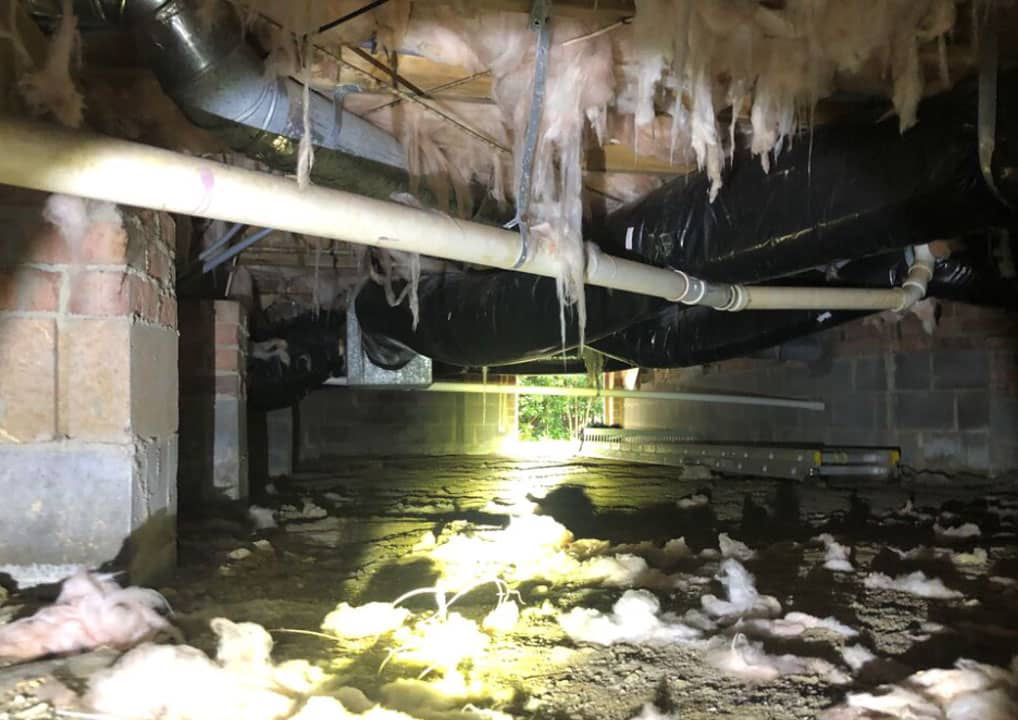 before
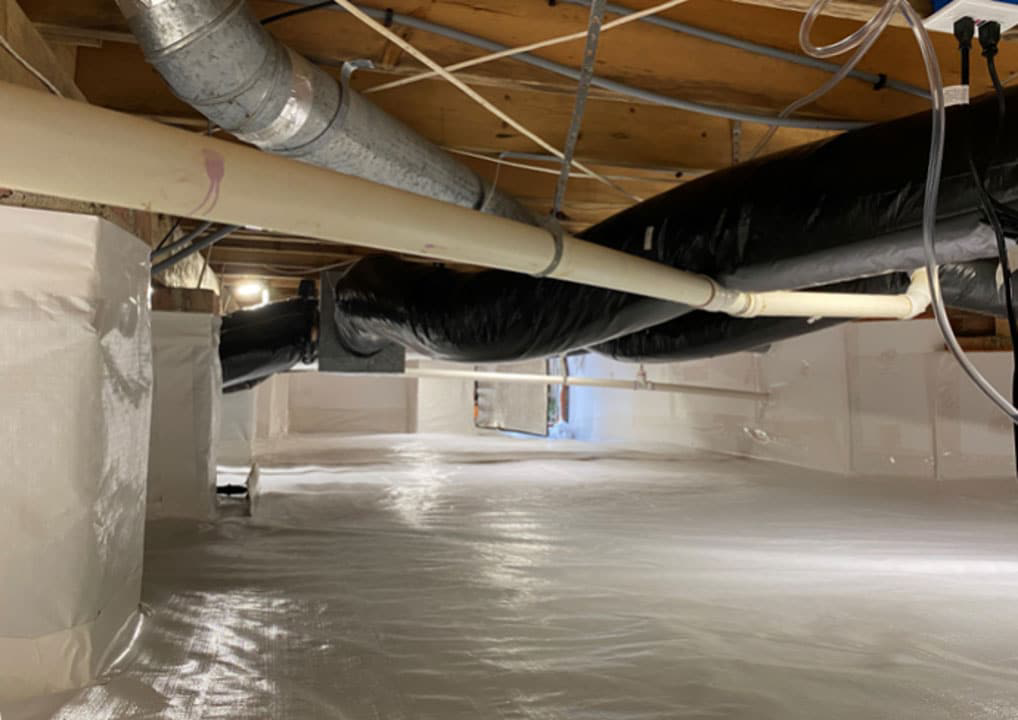 after
after

